Fuel price surge threatens Trat tourism industry
Boat and bus operators in coastal province hope government can stabilise prices quickly
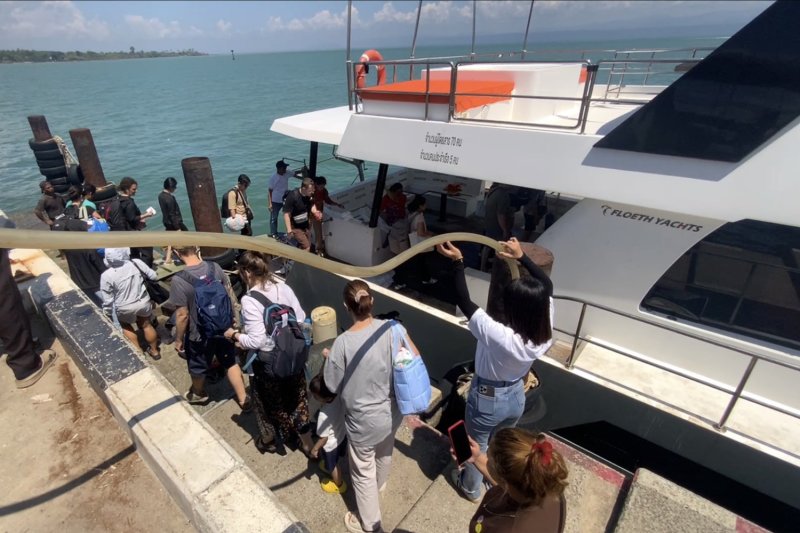
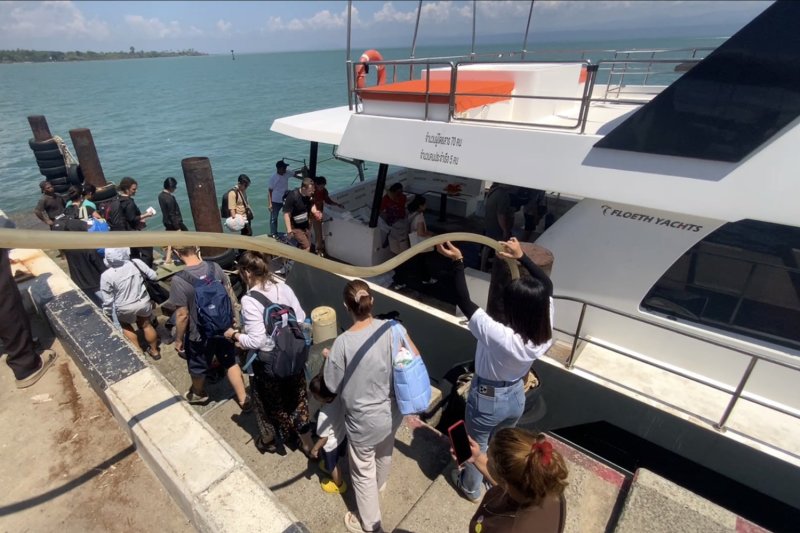
TRAT – Concern over rising fuel prices is growing among tourism operators in this eastern province, who are urging the government to stabilise prices before they can no longer bear the burden.
“A mere one-baht (per litre) increase in fuel prices immediately adds a huge cost burden,” said Atthaphon Klinthub, executive of Boonsiri High-Speed Ferries, a major operator of services between Koh Kood and Koh Mak.
The company uses 4,000 to 5,000 litres of fuel per day, Mr Atthaphon said. Passenger ferries alone consume about 600 litres per trip, or 1,200 litres for a round trip.
The company currently buys fuel from refineries at 37 baht per litre, without government subsidies, while prices at service stations are 30–31 baht, he said.
To reduce expenses, the company has buses and vans purchase fuel at petrol stations. But if the situation drags on, it may have to consider raising fares.
“We will try to freeze fares as long as possible to avoid hurting tourism,” Mr Atthaphon said. “Initially, we can bear the extra costs for about a month.”
He urged the government to consider support measures, such as direct fuel subsidies, tax relief or interest-rate reductions. So far, the government’s main response has been to freeze diesel and petrol prices until March 17.
Beyond rising costs, Mr Atthaphon added, the situation has affected foreign tourist arrivals, especially those flying via the Middle East, where many flights have been cancelled.
This has forced travellers to change plans and incur higher expenses, reducing their willingness to visit Thailand or shortening their stays.
The owner of a Bangkok-Trat minibus operator, Rinlapas Saksomboon, also weighed in. She said the services consume about 70,000 litres of fuel per month, or 2,300 litres per day, purchased only at petrol stations.
With diesel currently at 30–31 baht per litre, if prices exceed 35 baht, the company would be unable to cope, as fares are fixed at 290 baht per passenger.
Cutting the number of trips is the only way to reduce costs, Ms Rinlapas said, adding that the government is expected to review the fuel situation again soon.
“They could consider subsidies for affected operators, which would be a good sign,” she said. “But whether such support will be sufficient remains to be seen.”
Source – Bangkok News