Thai hoteliers jittery over energy prices
War weighs on lodging in Krabi as high season winds down
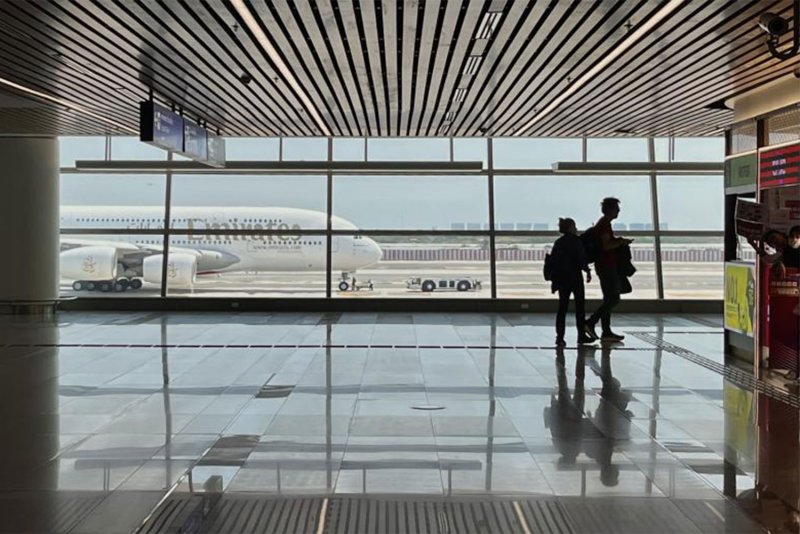
Hotel operators in Thailand consider high energy prices more troubling than mass cancellations as only one month remains in the high tourism season, resulting in requests for the government to promote domestic travel during the Songkran holiday to help maintain occupancy rates.
Kasmaporn Limpanapongthep, president of the Krabi Hotel Association, said higher airfares and rising energy costs are expected to affect both tourist demand and operating expenses for hotels.
She said hotels in Krabi, which has around 500 registered properties, were entering the final phase of the high season in March when the conflict in the Gulf erupted.
As of March 13, there were 3,500 room-night cancellations worth a total of 25 million baht, particularly from travellers planning to visit Thailand via Middle Eastern carriers and from film crews, which are major markets for Krabi.
Ms Kasmaporn said the Middle East war is expected to weigh on activity for the entire month of March, with the average occupancy rate forecast to fall from 95% to 80% or lower.
Tourism is likely to remain subdued until the first week of April before the Songkran festival, she said, with the occupancy rate expected to recover to 90% during the holiday, supported by domestic travellers who are unable to go overseas and may opt for local destinations instead.
Ms Kasmaporn said many hotels have responded by shifting their focus to markets with direct flights to Krabi, including Singapore, Malaysia and India, which has direct routes from New Delhi, Mumbai and Bangalore.
“During the first two weeks of the war, hotels in Krabi worked together to offer stranded guests special support, such as discounted rates,” she said.
“Many properties set up dedicated lounges where they could relax, as some guests were extremely stressed about the situation due to concerns for their families in the affected areas.
“In some cases, we even had to take them to consult a doctor to help ease their anxiety.”
Ms Kasmaporn said long-haul markets would face long-term impacts due to soaring travel costs from higher fuel prices and declining confidence.
For instance, a family of four might need at least 400,000 baht to travel directly to Thailand if airfares surge to nearly 100,000 baht per person, as observed for some flights today, she said.
Hotel operators already raised their concerns with the Tourism Authority of Thailand, urging the agency to help compensate for the shortfall of European visitors by attracting more travellers from Asian markets and increasing domestic demand, particularly through government and corporate meetings.
As many hotels adjust their gaze to the Chinese market, Ms Kasmaporn said it remains uncertain whether Beijing will allow outbound tour groups to travel overseas in this environment.
She said the Chinese government has intensified domestic tourism campaigns for several years and may place even greater emphasis on sustaining domestic consumption.
“The Thai government should also rely on the domestic market as the most dependable resource during the crisis,” said Ms Kasmaporn.
“However, we do not need cash handouts as in the past, but rather incentives such as tax breaks to stimulate local spending.”
Source – Bangkok News