Malaysia’s Anwar to lean on ‘good friend’ Li Qiang to rescue durian farmers as prices fall
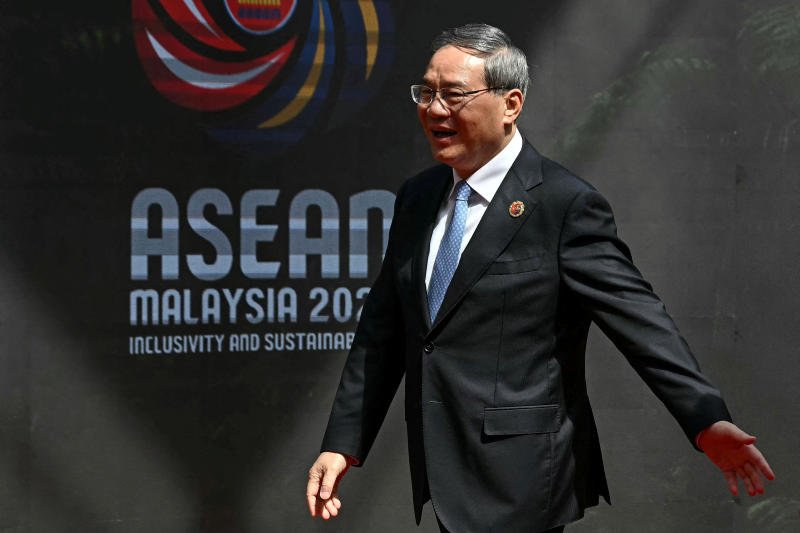
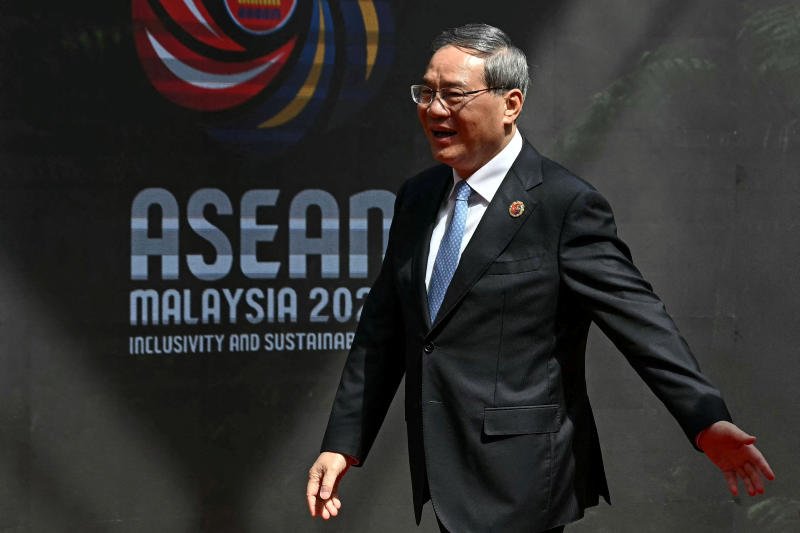
Malaysian Prime Minister Anwar Ibrahim has promised durian growers in Johor state that he will raise their falling prices with his “good friend” Chinese Premier Li Qiang during a visit to Beijing next month, as a nationwide glut leaves farmers struggling to sell the famously pungent fruit at sustainable prices.
Speaking during a political campaign stop in Johor, where a state election will be held on Saturday, Anwar said growers had complained to him during his two-day swing through the southern state that they were being forced to sell durians too cheaply after a bumper harvest across Peninsular Malaysia flooded the market.
“I promise one thing. Li Qiang, the Chinese prime minister, is a good friend,” Anwar told the crowd on Sunday. “I will be going to China next month and I want to bring up durian because I see prices are falling. China’s standards are very high, but I will try to negotiate.”
The prime minister said he had asked Johor farmers to pack their durians properly so he could present them to Li and tell him they came from the state.
“I will ask him to buy a bit more, then the price will go up,” Anwar said. He challenged his political rivals to show whether they had the same access to Beijing. “Can they negotiate with China and ask the country to import a bit more durian?”
Malaysia’s trade office, Matrade, in Beijing said on Saturday that fresh durian exports to China grew more than fivefold from about US$5 million (166 million baht) to US$37 million in 2025, while frozen durian exports reached nearly US$202 million.
Exports of the fruit to China reached US$77 million in the first quarter of this year, with Malaysia targeting US$229 million by 2030, state news agency Bernama reported, quoting Matrade’s trade commissioner Niqman Rafaee M Sahar.
The Federal Agricultural Marketing Authority (Fama) said last month that kampung durians in some areas were selling at 1 ringgit (8 baht) to 4 ringgit per kilogramme, depending on location and quality, according to Bernama. Kampung durians were priced as high as 15 ringgit per kg before the glut, Malay-language daily Sinar Harian reported in January.
Prices for premium varieties such as Musang King have also fallen below 30 ringgit per kg, down from 60 ringgit to 80 ringgit during the previous May-August season, according to a report by The Star newspaper in January.
Fama said it was targeting direct purchases of 1,000 tonnes of durians worth 7 million ringgit through 42 operational centres, while companies and entrepreneurs supported by the agency had bought another 1,199 tonnes worth 3.28 million ringgit to absorb the excess supply.
In the northern state of Terengganu, the agency has begun processing durians into pulp at its Besut centre after farm-gate prices fell below 3.50 ringgit per kg. The pulp is sold to downstream industries making cakes, ice cream and other products.
China is already Malaysia’s most important durian market, accounting for about 60% of exports worth 1.5 billion ringgit annually, according to Fama.
In August 2024, Li’s visit to Kuala Lumpur produced a protocol allowing whole fresh Malaysian durians to be shipped to China, adding to earlier trade in frozen whole fruit, pulp and paste.
The opening has given Malaysia a foothold in the world’s largest durian market, though it remains a smaller player compared with Thailand and Vietnam.
China imported about 1.87 million tonnes of fresh durians in 2025, making it the world’s most important consumer market for the fruit, according to customs data cited by Xinhua in April.
That followed a record 1.56 billion kg of durian imports worth US$6.99 billion in 2024. Thailand is still the largest supplier although Vietnam has sharply expanded its share.
Malaysia is trying to position itself at the premium end of that market through varieties such as Musang King and Black Thorn, which are typically allowed to ripen and fall naturally before collection, unlike fruit in some other producing countries that is harvested earlier for longer transport windows.
Source – Bangkok News