Cambodia says no online scam compounds remain
Experts sceptical as Phnom Penh says criminal groups have moved to decentralised, small-scale activities
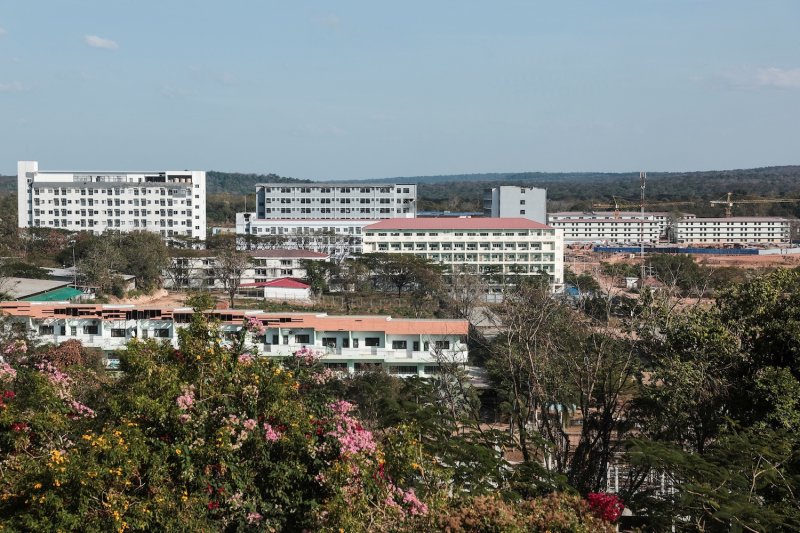
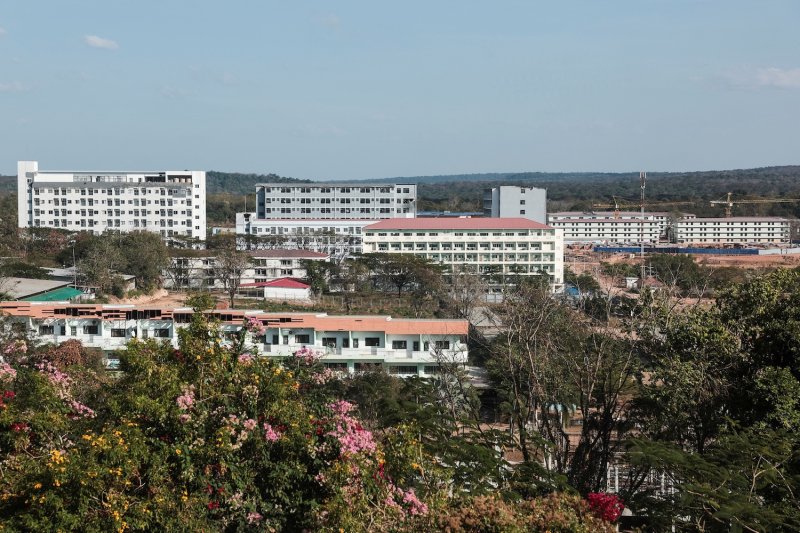
The Cambodian government has claimed a milestone in its fight against the scam industry accused of stealing billions of dollars from victims around the world, with officials saying they have eradicated all scam compounds in the country.
Chhay Sinarith, the senior minister in charge of combating online scams, told a gathering of foreign diplomats on Thursday that “large-scale scam activities have been brought fully under control, and there are currently no online scam compounds remaining in the country”, according to a statement released on Friday.
However, criminal groups have moved to decentralised, small-scale activities, hiding in guesthouses, condominiums, rental houses, vehicles and coffee shops, the statement said. Cambodian authorities are continuing to target those operations, it said.
Amnesty International was “highly sceptical of suggestions the scamming compound industry has been effectively eliminated” because of the multibillion-dollar industry’s entrenched links in the country, said Montse Ferrer, a co-director for the region.
“The true test of long-term success is not how many compounds have closed, but whether the actors responsible have been investigated, prosecuted and prevented from resuming operations,” she said.
Compounds, which are mostly run by Chinese criminal gangs and house tens of thousands of workers, many trafficked and living under brutal conditions, have proliferated across Cambodia, Laos, the Philippines and lawless areas along the Myanmar-Thai border since the pandemic.
Reuters has not independently confirmed the government’s claim. Reuters journalists who visited abandoned or seized scam centres in Cambodia in February, March and April and interviewed people involved found evidence of abuse and industrial-scale fraud that has fleeced billions of dollars from victims around the world.
Since July 2025, Cambodian authorities have investigated 793 suspected locations, leading to crackdowns on 624 sites and the detention of nearly 30,000 suspects representing 39 nationalities, Chhay Sinarith said.
“International pressure has produced real disruption this year to the large compounds that long formed the visible front end of Cambodia’s state-abetted scam economy,” said Jacob Sims, a visiting fellow at Harvard University and an analyst of transnational crime in Southeast Asia.
However, repression of civil society and media in the country meant “claims of eradication with no independent verification must be viewed with scepticism”, he said.
“The bigger risk for the international community is confusing visible disruption with dismantling the underlying networks and political protection that made the industry possible.”
Source – Bangkok News