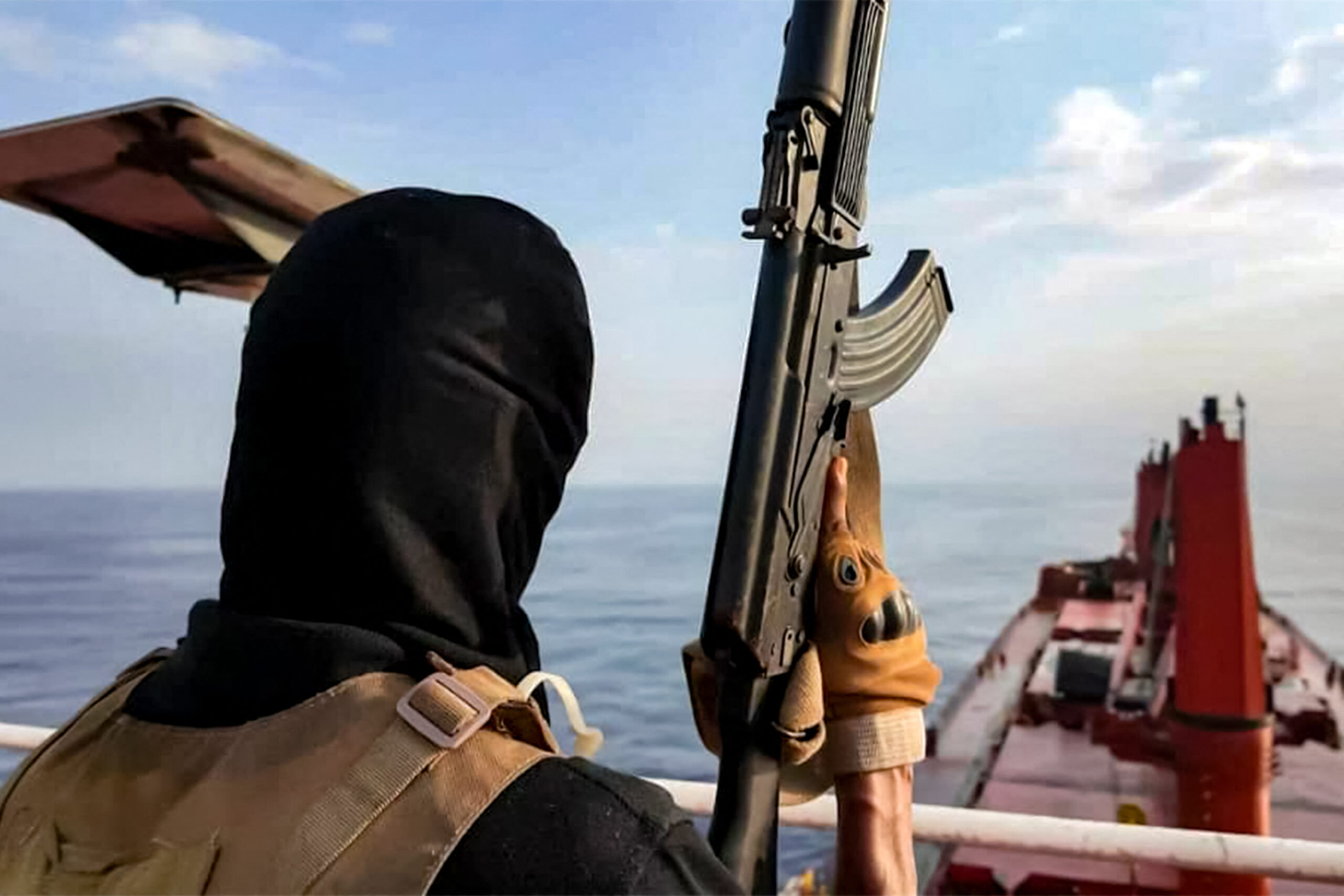
Analysis: Houthi and Al-Shabab ties raise alarm over widening threat to Red Sea shipping
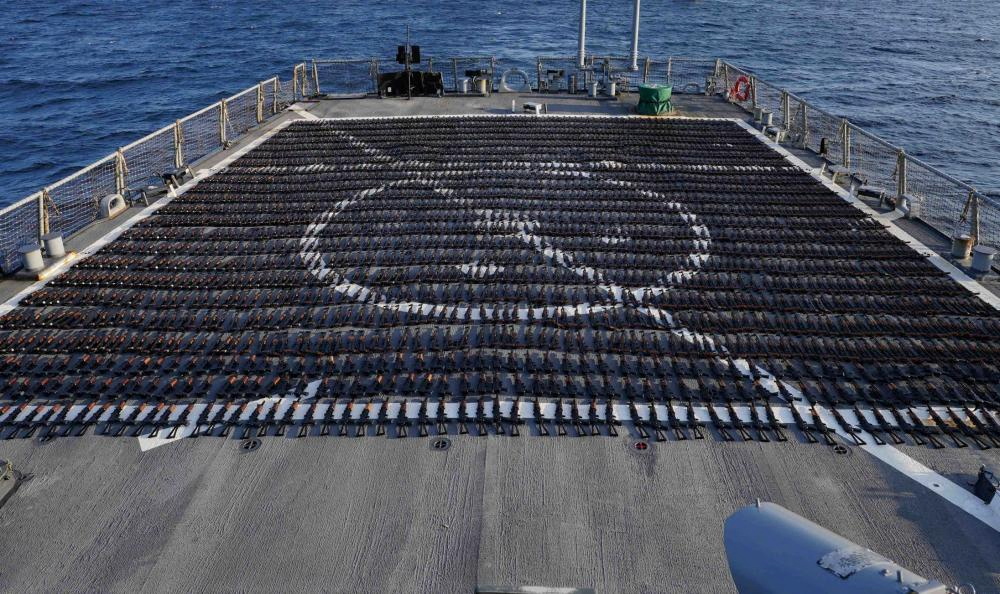
LONDON: Purported arms sales, military training and growing contacts between Yemen’s Iran-backed Houthis and Somalia’s Al-Qaeda-affiliated Al-Shabab are raising alarm over a partnership that could strengthen both groups and widen the threat to international shipping.
US Africa Command has warned that the relationship poses an escalating danger to regional stability, potentially increasing Al-Shabab’s ability to carry out attacks in the Horn of Africa. And giving the Houthis greater access to maritime corridors in the Red Sea and western Indian Ocean, according to Financial Times reporting carried by regional news outlets.
The warning brings into focus a threat that extends beyond individual weapons shipments: the possibility that the two armed groups could combine technical expertise, smuggling routes and coastal access to undermine security across the Gulf of Aden.
Daniele Garofalo, an intelligence and terrorism analyst and security consultant, told Arab News that the reported exchanges point to an increasingly consequential relationship.
“What has changed, in my assessment, is the depth of the transaction,” he said.
“The simple discovery of Yemeni-origin weapons in Somalia does not by itself demonstrate Houthi-Al-Shabab cooperation. What is more significant is the accumulation of evidence since 2024 indicating direct contacts, training arrangements and the movement of Al-Shabab personnel to Yemen.”
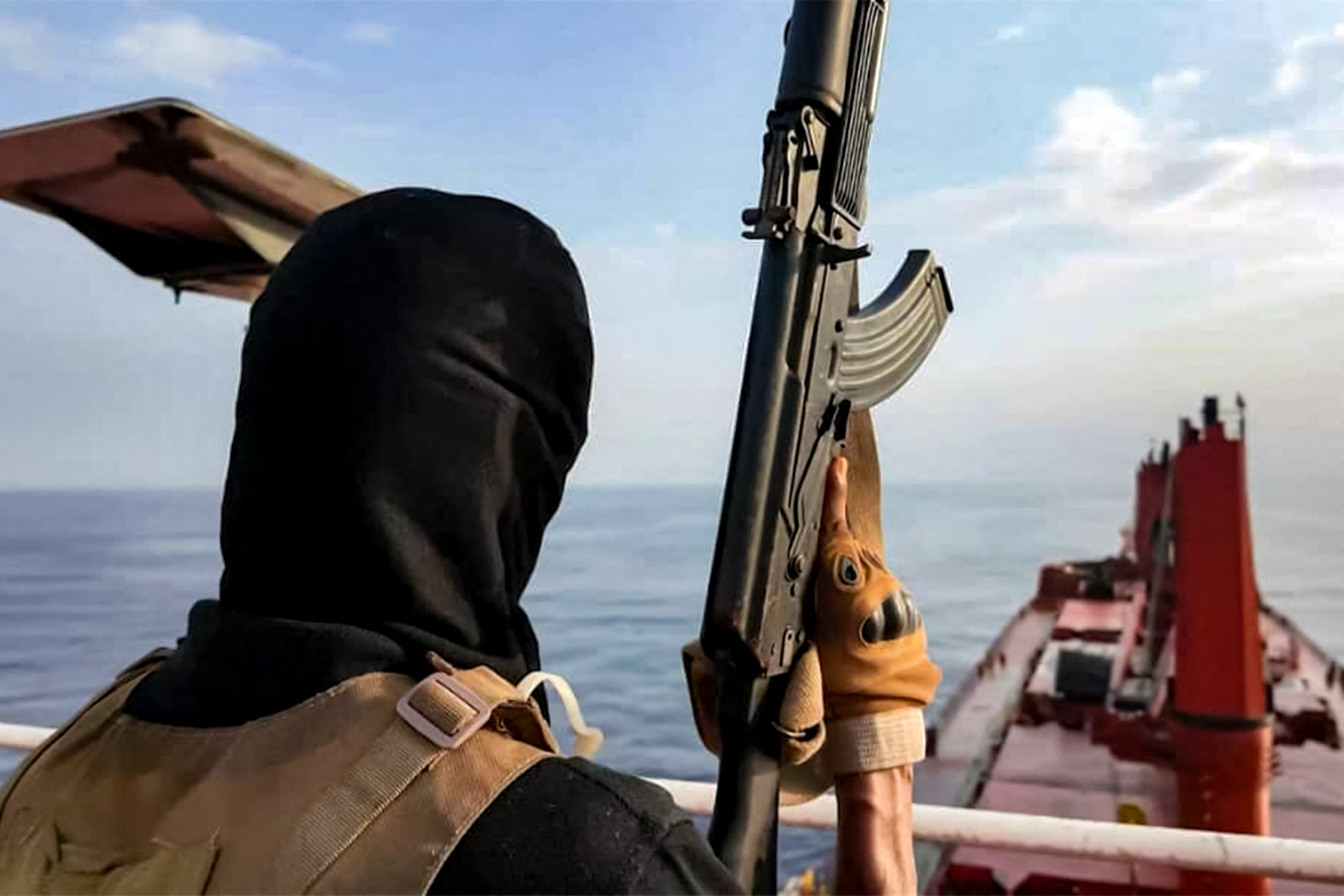
The Financial Times reported alleged Houthi weapons sales and training for Al-Shabab members. Somalia specialist Matt Bryden, a former head of the UN Panel of Experts on Somalia, estimated that as many as 1,500 fighters from Al-Shabab and other Somali factions had trained with the Houthis in Yemen.
That estimate covers several factions, not 1,500 confirmed Al-Shabab members. Nevertheless, the reported scale of personnel movement adds to concerns that the relationship is becoming more organized.
Earlier warnings from the Africa Center for Strategic Studies also placed cooperation between the groups at the center of a broader regional security threat.
In a May 2025 analysis, the center said their growing collaboration was strengthening both organizations and increasing risks to maritime traffic in the Red Sea, Gulf of Aden and western Indian Ocean. It described UN-reported meetings in 2024 concerning weapons and training transfers in exchange for greater piracy and arms smuggling.
The danger is that such exchanges could help sustain the Houthis’ maritime campaign while giving Al-Shabab additional means to attack Somali and African Union forces and undermine efforts to stabilize Somalia.
“The reported training component is particularly important,” Garofalo said.
“If these activities continue, we are looking at something qualitatively different from ordinary arms trafficking: a limited but potentially consequential transfer of military knowledge.”
For security planners, the transfer of expertise could be harder to counter than the movement of weapons alone. An intercepted shipment can be seized. Skills in constructing explosives, adapting drones or maintaining weapons can spread among fighters and remain available long after a particular supply route is disrupted.
“There is an important difference between Al-Shabab purchasing a drone or a weapon and Al-Shabab acquiring the knowledge required to modify, manufacture, maintain and employ that system independently,” Garofalo said.
“Training in IED (Improvised Explosive Device) construction, drone adaptation or weapons maintenance therefore deserves more analytical attention than the simple number of weapons transferred.”
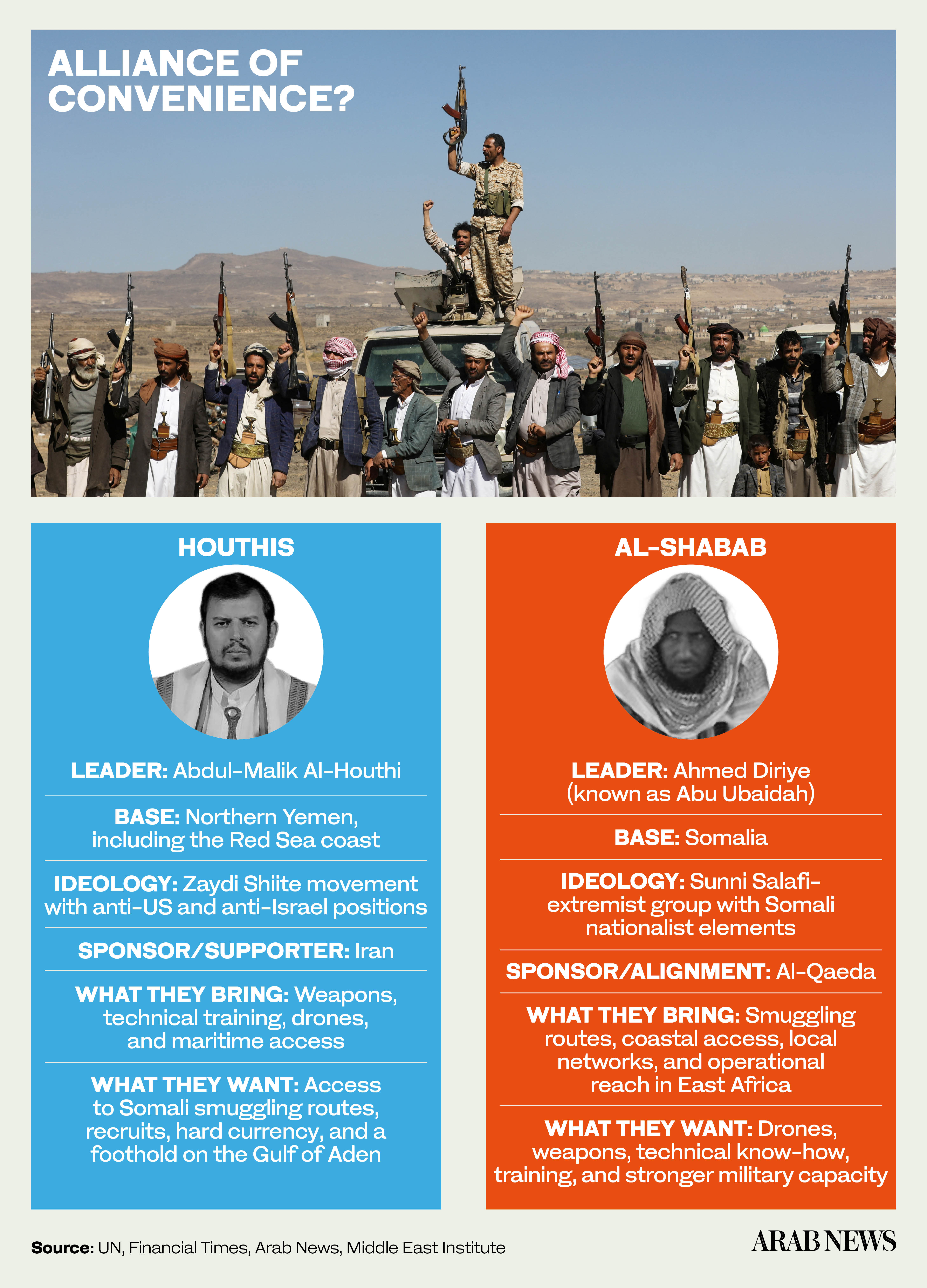
The concern is especially acute around maritime routes where the Houthis have already demonstrated the disruptive power of missiles, drones and unmanned systems.
Attacks on commercial vessels have forced shipping companies to divert journeys, increased costs and required substantial naval resources to protect trade. A relationship that gives the Houthis access to additional supply networks, coastal facilitators or surveillance opportunities could make that threat more difficult to contain.
Al-Shabab, meanwhile, could use technical assistance to strengthen its existing campaign in Somalia even without developing a comparable ability to attack international shipping.
“The most consequential transfer would not necessarily be large quantities of rifles or ammunition,” Garofalo said.
“Al-Shabab already has access to those.”
More specialized capabilities could have a greater impact, including expertise in advanced improvised explosive devices, drones, communications, anti-aircraft systems and maritime surveillance.
“Even relatively modest transfers could produce disproportionate effects if they address specific capability gaps,” Garofalo added.
Lesley Anne Warner, a visiting scholar with the Africa Program at the Carnegie Endowment for International Peace, founder and principal consultant at PhaseZero Solutions and former US State Department official, said financial incentives help explain why the groups would cooperate despite their ideological differences.
“For the Houthis, it’s hard currency to pay for their operations. For Al-Shabab, it’s an upgrade in military materiel.”
She warned that the importance of the surrounding shipping routes creates opportunities for armed groups to profit from insecurity.
“Harassing maritime commerce on both sides of the Arabian Peninsula, given the volume of traffic through the region and its significance to the global economy, provides very lucrative opportunities for extortion,” she said.
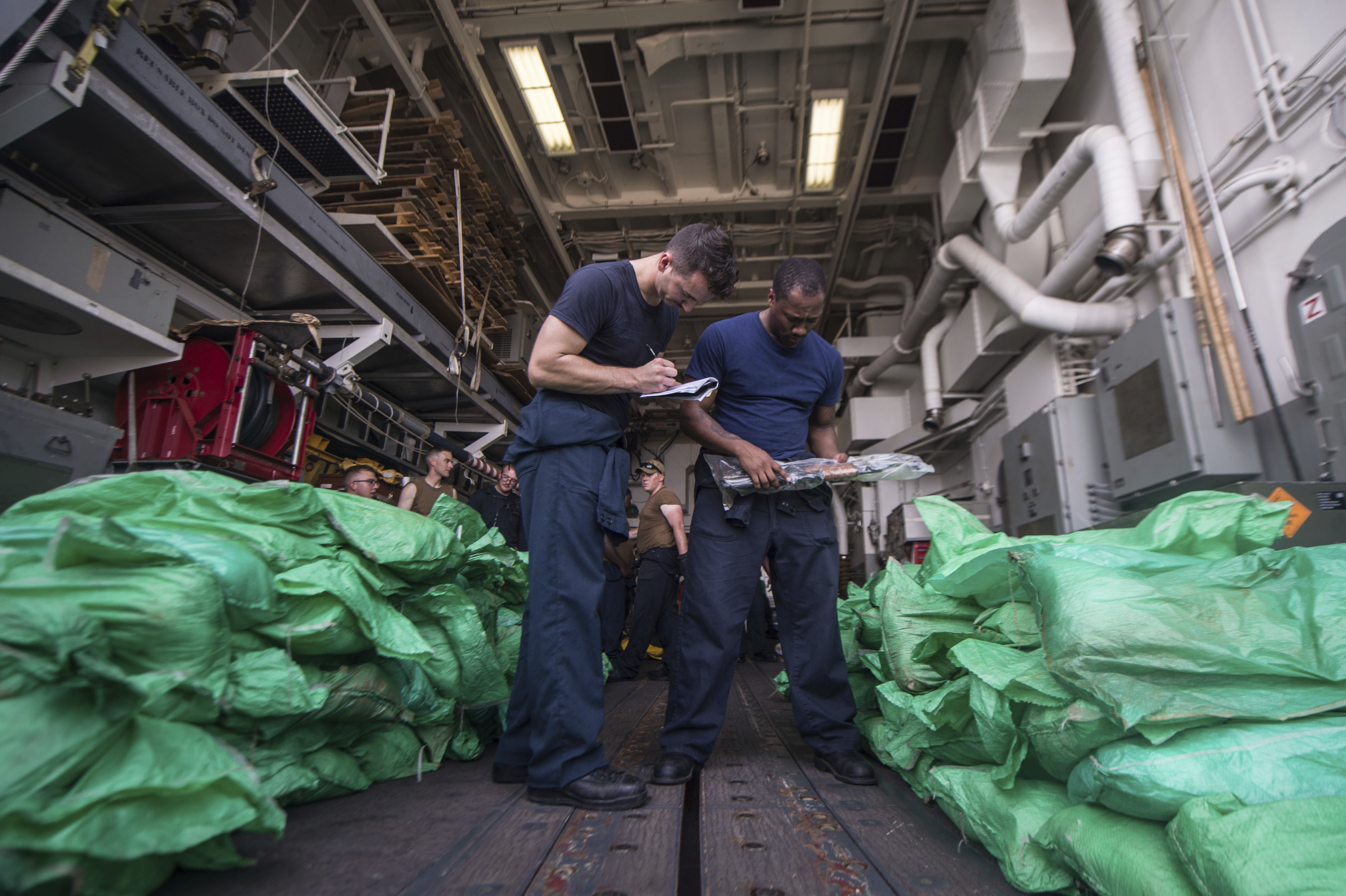
That prospect makes the alleged cooperation a concern for governments and businesses well beyond Yemen and Somalia. Greater access to money, equipment and logistics could help both groups sustain violence while increasing the burden on forces defending commercial traffic and regional communities.
The networks connecting them are not new. Weapons, goods and people have crossed between Yemen and Somalia for decades, often aboard dhows operating through established commercial and smuggling routes.
What concerns analysts is the possibility that armed groups are turning those connections into a more durable infrastructure for military cooperation.
“The Gulf of Aden is not a barrier separating two theaters; from the perspective of illicit economies it is a connective space,” Garofalo said.
“Armed groups are exploiting an infrastructure that largely already existed rather than creating a completely new one.”
The UN Panel of Experts on Yemen reported in October 2025 that confidential sources had described Houthi training for Al-Shabab in explosives and drone technology.
It also recorded accounts that Houthi military engineers had traveled to Jilib, an Al-Shabab stronghold in southern Somalia, where they reportedly provided instruction in improvised explosive devices, modifying drones and weapons maintenance.
Separately, the panel recorded a facilitator’s account of arranging travel for nearly 400 Somalis to Houthi-controlled Yemen for military and ideological training.
The UN did not establish that all of those trainees belonged to Al-Shabab, but the accounts point to something more consequential than weapons simply changing hands.
For the Houthis, Somali connections could provide alternative procurement routes and access to smugglers and facilitators outside Yemen, making interdiction more difficult.
“The value of Somalia is not simply that weapons can be sent there,” Garofalo said. “It can also function as a transit and procurement space through which material moves towards Yemen.”
He said closer ties could potentially give the Houthis “better situational awareness, logistical access and indirect influence along the Somali coast and into the western Indian Ocean.”

That could complicate a security response that has often treated the Houthis as a Yemen and Red Sea threat and Al-Shabab as a primarily land-based counterterrorism challenge in Somalia and East Africa.
“The security problem would no longer be reducible to piracy, terrorism or weapons trafficking separately,” Garofalo said.
“It would become a hybrid ecosystem in which these activities reinforce one another.”
Such networks can survive the loss of individual intermediaries because the commercial incentives remain. Boats, brokers and financial channels may serve different armed groups without sharing their ideology.
“The same boat, broker, financial intermediary or coastal facilitator can service criminal actors, insurgents and terrorist organizations depending on price, access and circumstance,” Garofalo said.
Warner says pressures within Somalia could make the relationship more dangerous. She points to the prospective reduction of UN-assessed funding for logistical support to the African Union stabilization mission and tensions between Somalia’s federal government and its federal member states.
“So, what we see right now is that there is an increasing imperative for Houthis and Shabab to cooperate due to the opportunity to squeeze global maritime commerce at the same time that it’s been signaled that at least some Western support to the government in Mogadishu is waning,” she said.
The groups’ ideological differences offer little assurance that those incentives will disappear.
Al-Shabab belongs to Al-Qaeda’s Sunni extremist movement, while the Houthis emerged from Yemen’s Zaydi Shiite environment. Their cooperation does not require doctrinal agreement if weapons, revenue and logistical access serve their respective campaigns.
“Ideologically, the Houthis and Al-Shabab are like oil and water,” Warner said. But she described their relationship as one “of convenience in which they both get something the other has that they need.”
“Because they have different areas of operation, they will not be administering territory together, which is where I think you see ideologically diverse groups falling out,” she said.
“Therefore, I think the pragmatic cooperation they have now works for the immediate aims of both groups notwithstanding theological differences.”
Important distinctions remain between reported cooperation and a fully integrated campaign against shipping.
“We have much stronger evidence for weapons trafficking and training than we currently have for integrated Houthi-Al-Shabab maritime operations,” Garofalo said.
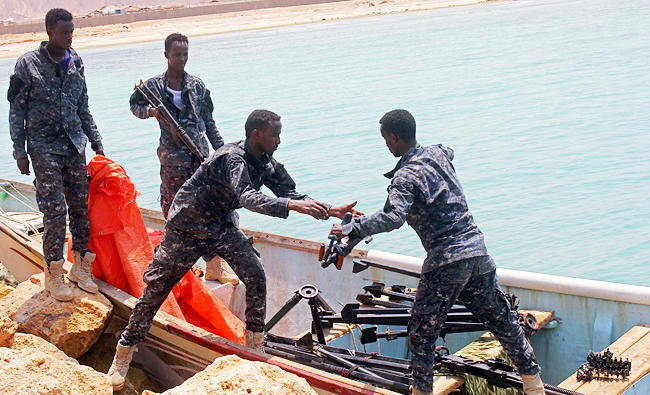
The evidence presented does not establish that the groups are jointly selecting vessels to attack or coordinating a sustained maritime offensive. Nor does it establish joint control of the Bab Al-Mandab Strait: Somalia lies farther east along the Gulf of Aden, while Djibouti and Eritrea occupy the African side of the strait.
Those limits, however, do not remove the danger that repeated exchanges could strengthen both organizations and create the foundations for closer operational cooperation.
Garofalo said indicators to watch include recurrent training programs, regular weapons supplies, lasting liaison channels, financial arrangements and exchanges of intelligence or targeting information.
“Once technicians, trainers, logisticians and procurement personnel begin working repeatedly together, they create trust networks,” he said.
“Those interpersonal networks can gradually institutionalize cooperation even in the absence of a formal political agreement.”
The relationship also does not, by itself, establish that Al-Shabab is under Houthi or Iranian control.
“I would not interpret this as evidence that the Houthis control Al-Shabab, or that Iran consequently controls Al-Shabab through the Houthis,” Garofalo said.
“That would go considerably beyond the available evidence.”
The immediate concern is the ability of the two groups to strengthen each other through repeated transfers of weapons, skills, money and access. A formal alliance is not necessary for those transactions to make regional insecurity more entrenched.
Garofalo described the relationship as “limited but deepening, transactional but increasingly organized.”
“The more credible risk,” he said, “is the emergence of a durable cross-Gulf ecosystem in which two ideologically distinct armed organizations discover that cooperation in weapons, technology, logistics and maritime activity provides sufficient mutual benefit to become routine.”
For governments protecting shipping and supporting stability in Yemen and Somalia, the warning is that cooperation could allow both groups to become harder to contain. Its consequences could be felt in attacks on land, disruption at sea and higher costs along a trade corridor vital to the global economy.
Source – Arab News