IMF chief urges Asean states to do more for the vulnerable
The International Monetary Fund has urged Southeast Asian governments to protect vulnerable households, pursue economic reforms and deepen regional cooperation to strengthen resilience against global economic shocks.
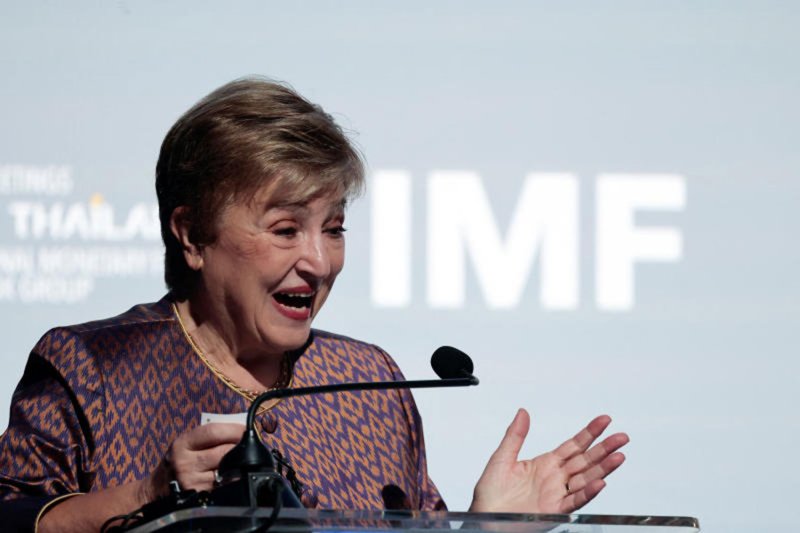
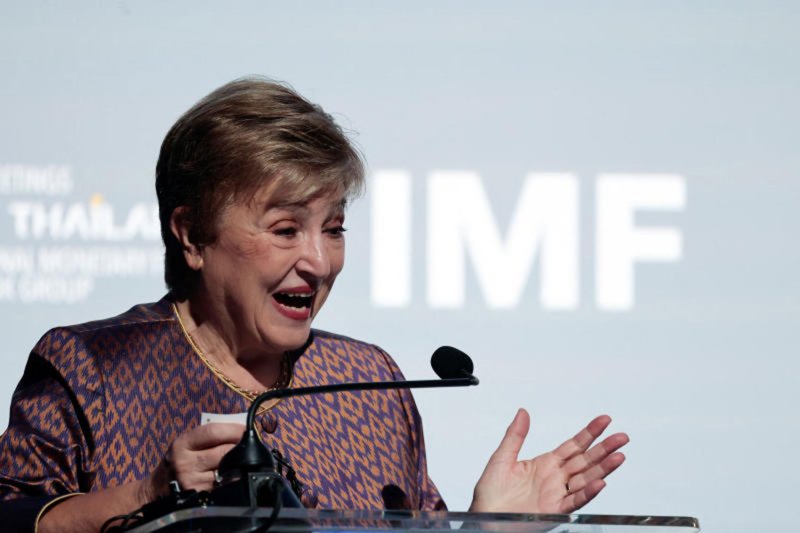
Speaking at a seminar titled “Asean in Changing Global Landscape” at the Queen Sirikit National Convention Center, IMF managing director Kristalina Georgieva outlined measures to help the region sustain growth amid energy price volatility, geopolitical tensions and climate risks.
The seminar was jointly organised by the IMF, the Asean+3 Macroeconomic Research Office (AMRO) and the Asian Development Bank (ADB) at the IMF-World Bank Group annual meetings in Bangkok.
Ms Georgieva said Asia had generated about two-thirds of global economic growth in recent decades and was expected to account for 68% of global growth in 2026.
Within the region, Asean’s 11 economies form a $4.5-trillion economic bloc, making it the world’s fourth-largest economy, with a population of about 700 million.
However, rising commodity and oil prices linked to conflict in the Middle East, alongside environmental threats such as El Niño, are testing the region’s economic resilience.
Ms Georgieva urged governments to preserve fiscal buffers and avoid indiscriminate subsidies during energy shocks, adding assistance should focus on people rather than suppressing prices across the economy.
She also called for market-oriented reforms and stronger trade links within Asean, noting that reforms could raise real GDP by 3% over the short to medium term, while increased intra-regional trade could boost long-term GDP by 5%. Cooperation should also extend to digital development, infrastructure and energy.
Structural challenges
Atsushi Mimura, Japan’s vice-minister of finance for international affairs, said Asean faced both immediate pressures from geopolitical tensions and longer-term structural challenges, including ageing populations, supply-chain fragmentation, climate change and digitalisation.
He said member states required different solutions and targeted investment, but said their diverse economic and demographic conditions could also complement one another.
For example, the Philippines’ younger workforce could help address labour shortages in ageing societies such as Singapore and Thailand.
Mr Mimura also highlighted opportunities to combine Asean’s financial capabilities with Japan’s financing, technology and experience in addressing demographic change.
Yasuto Watanabe, AMRO director, proposed an “ACT” framework, calling for agile policymaking, clear and credible communication with the private sector, and targeted measures to address economic disruptions.
He said deeper regional ties would give member economies greater leverage and buffers against global fragmentation.
Scott Morris, ADB vice-president, also urged targeted responses and cooperation both within and beyond Asean, including greater use of technology to direct assistance to those most affected by crises.
He cited the ADB’s $10 billion for the Asean Power Grid, as well as investment in flood management in Thailand’s Chao Phraya River Basin.
Mr Morris said governments should also find ways to mobilise private-sector investment through new financing approaches and instruments, reducing reliance on public funds alone.
The speakers agreed that coordinated policies, targeted support and stronger regional and international partnerships would help Asean navigate immediate disruptions while preparing for longer-term economic challenges.
Source – Bangkok News