Goldman Sachs revealed its outlook for 2027. Here’s how much it sees the S&P 500 gaining

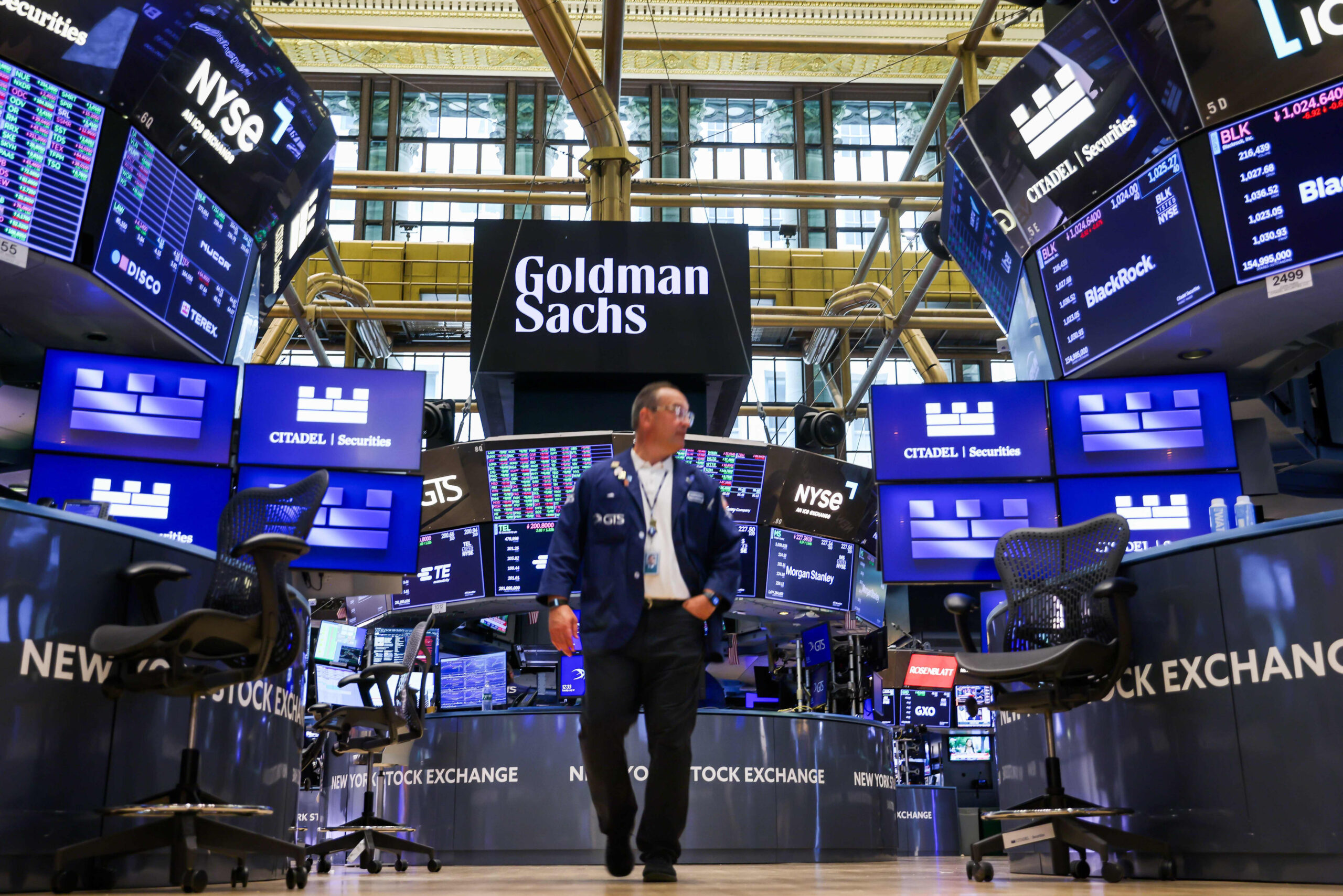
Goldman Sachs said the bull market will continue for a fifth year in 2027, though the pace of growth will be far less explosive than it has been. The Wall Street firm expects equity returns to slow next year, forecasting the S & P 500 will climb 17% to 8,700 by year-end, a solid advance that’s nevertheless short of the 21% annualized return posted the past four years. Goldman said the earnings trajectory will continue to support equities, although that too is set to slow to 18% in 2027 from 30% this year as capital spending tied to artificial intelligence starts to decelerate. That trend is expected to continue in 2028 as well. “We expect equity returns to moderate in 2027 alongside slowing earnings growth,” wrote Ben Snider, chief U.S. equity strategist at Goldman Sachs. The S & P 500 has climbed to all-time highs this year, as price-to-earnings multiples fell as a result of explosive earnings growth, leaving the benchmark stock index reasonably valued to many investors. When third-quarter corporate financials are all squared away, the broad market index is expected to have posted a third straight quarter of earnings growth above 25%, with a forward P/E of about 18. But the Goldman strategist expects that advance may be hindered next year by rising interest rates and continued uncertainty surrounding AI investment. Bull and bear case In fact, the earnings outlook is the biggest risk to the 2027 market outlook, both to the upside and downside, the strategist said. If S & P 500 earnings estimates dropped to the 30-year trend for the index, and the P/E fell to the 30-year average of 17x, the leading stock market could plunge by maybe 23% or so, to 5,600, Snider said. The S & P 500 was recently trading around 7,315. If, instead, the earnings growth outlook improves courtesy of a stronger-than-expected capital spending cycle, or better-than-expected productivity growth, the S & P 500 end next year ahead almost 30%, at 9,400. Either way, what is clear to Goldman is that the U.S. stock market is entering a new phase, one in which the benefits from AI should start to broaden out to companies that adopt the technology, rather than those that build or enable it, and to those companies that can make money off of AI. The hyperscalers should benefit. So should “buyback aristocrats.” Snider expects energy infrastructure provider might see particular earnings acceleration in 2027, while health care and consumer staples companies can offer investors diversification that let’s them sleep at night.
Source – CNBC