New Fed chief faces immediate pressure
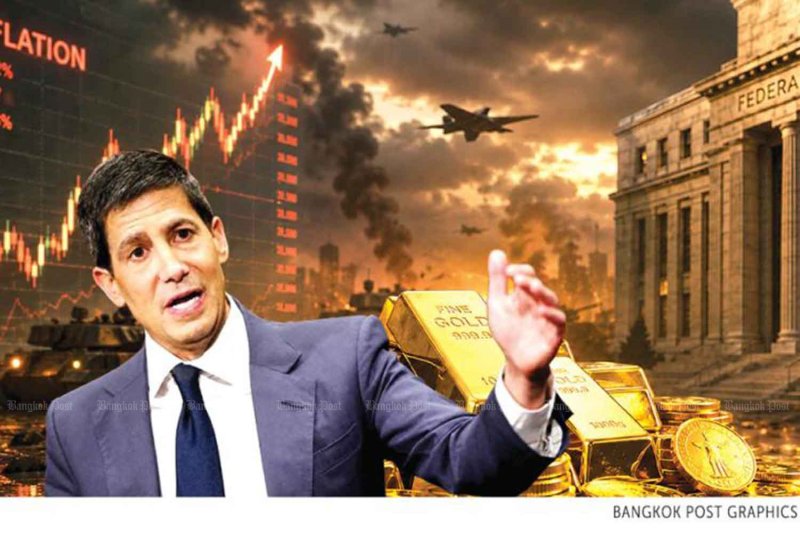
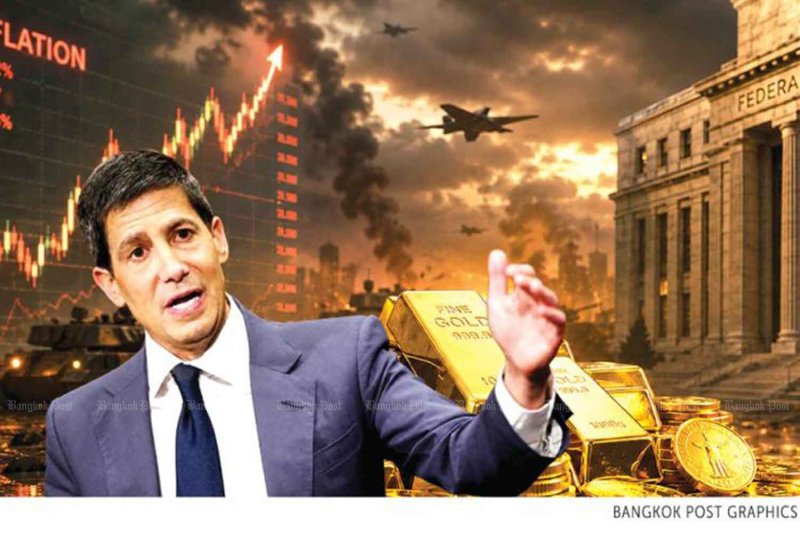
With Kevin Warsh taking the helm at the US Federal Reserve this month, succeeding chairman Jerome Powell, all eyes are on the policies of the hand-picked candidate of President Donald Trump.
Generally considered a relatively hawkish policymaker during his time as a Fed governor from 2006 to 2011, the 56-year-old Mr Warsh was nominated by Trump with the perceived goal of having the central bank stimulate the US economy by cutting interest rates.
However, his task is complicated by the war in the Middle East that caused global oil prices to skyrocket, while US inflation has remained above the Fed’s 2% target for more than five years.
The US consumer price index (CPI) surged to 3.8% in April, the highest rate in nearly three years, while the producer price index jumped 6%, the biggest increase since December 2022, as costs for goods and services soared during the Iran conflict.
During his confirmation hearing before the Senate Banking Committee on April 21, Mr Warsh said the US economy is still dealing with the ripple effects of a pandemic-driven spike in inflation, adding the Fed needs a different framework for inflation.
WHAT KINDS OF MONETARY POLICIES SHOULD WE EXPECT FROM THE NEW FED CHAIR?
Wachirawat Banchuen, senior financial markets strategist at Siam Commercial Bank Financial Markets (SCB FM), said Mr Warsh is expected to be dovish on interest rates but hawkish on the Fed’s balance sheet.
“Mr Warsh’s nomination as Fed chair was apparently Trump’s call. However, I do not expect Warsh to allow Trump to intervene directly in the Fed’s conduct of monetary policy,” he said.
Mr Wachirawat said Mr Warsh’s stance has shifted in recent years from when he was Fed governor.
“I believe the policy stance of the new chairman could be marginally more dovish than Mr Powell’s, meaning the Fed could lean somewhat more towards rate cuts,” he told the Bangkok Post.
Mr Warsh has argued that artificial intelligence-driven productivity gains would help lower inflation and give the Fed more room to cut rates. He also said he views tariffs as a one-off price shock rather than a source of persistent inflation, which supports a more dovish policy stance.
“His monetary policy views appear more dovish than they were in the past,” said Mr Wachirawat.
Mr Warsh also criticised the Fed’s communication framework, suggesting reducing the number of Federal Open Market Committee (FOMC) meetings, holding fewer press conferences, and providing less forward guidance.
“As a result, we could expect the Fed under Mr Warsh to commit less explicitly to future policy paths and offer less guidance on the policy outlook. However, I do not expect a rapid dovish pivot by the Fed as Mr Warsh would need to build consensus within a divided FOMC,” said Mr Wachirawat.
HOW COULD FED POLICY INFLUENCE FINANCIAL MARKETS?
On the Fed’s balance sheet, Mr Warsh has been consistently critical of quantitative easing (QE).
“He argued the expansion of the balance sheet went too far. He even resigned as a Fed governor in 2011 in protest against QE2,” said Mr Wachirawat.
“We could expect him to reduce the size of the Fed’s balance sheet faster and more aggressively than Mr Powell likely would, which could tighten liquidity conditions, making dollar liquidity less abundant.”
Instead, SCB FM believes Mr Warsh’s framework suggests the Fed should “tolerate tighter financial conditions through quantitative tightening (QT) rather than through a higher policy rate”.
The Fed’s policy framework could result in a faster balance sheet runoff, which would withdraw system liquidity at a time when bank reserves are no longer abundant, Mr Wachirawat noted.
A steeper US Treasury yield curve could also be expected.
“Short-term yields could decline more than long-term yields, while the term premium at the long end may remain elevated. That would weaken the US dollar over the medium to long term,” he said.
WHEN WILL THE FED MOVE, AND WHAT WILL THE IMPACT BE ON THAI INTEREST RATES?
The Thai unit of Binance, the world’s largest cryptocurrency exchange in terms of trading volume, expects the new Fed chair to keep short-term rates steady in the near term, buying himself time to build credibility before making any bold moves.
“He faces intense political pressure to cut rates while inflation remains persistent,” said Nirun Fuwattananukul, chief executive of Binance TH by Gulf Binance.
The Middle East conflict creates durable, broad-based supply chain disruptions that push not only energy prices, but also overall input costs higher.
“This structural inflation, which is beyond the Fed’s control, makes rate cuts nearly impossible to justify,” Mr Nirun told the Bangkok Post.
“If inflation continues to accelerate in the medium term, Mr Warsh may face pressure not only to hold steady but potentially to raise rates further — an unpopular move that would deepen his conflict with the administration and put him in an extraordinarily difficult position.”
Mr Wachirawat said Fed rate cuts are likely next year, which would affect the baht and capital flows.
“Lower US rates could encourage capital to flow to other countries, particularly emerging markets,” he said.
“Thailand could be one destination, provided market concerns over Thailand’s fiscal position do not worsen. This could put medium- to long-term appreciation pressure on the baht.”
For Thailand’s Monetary Policy Committee (MPC), a narrower interest rate differential between the US and Thailand could also increase pressure to cut rates.
“However, I still believe the MPC will keep rates unchanged for the rest of this year,” said Mr Wachirawat.
WHAT DOES THE NEW FED BOSS MEAN FOR GOLD AND CRYPTO?
Gold prices remain closely tied to inflation expectations and US monetary policy.
Mr Warsh’s leadership at the Fed means a shift towards tighter monetary policy, which creates short-term headwinds for gold by strengthening the US dollar and keeping real yields firm.
“The market believes the Fed will have to keep interest rates as low as possible if the CPI doesn’t exceed 5%,” said Kritcharat Hirunyasiri, chairman of MTS Gold, adding US inflation is expected to break 4% next month.
“If the CPI remains below 5%, the Fed is unlikely to raise interest rates, meaning it will try to resist the trend as much as possible. But if the CPI exceeds 5%, the Fed will probably have to raise rates,” he told the Bangkok Post.
“Then QT would be the next step for the Fed.”
However, if the war in the Gulf ends in the months ahead, it could provide room for the US central bank to cut rates once either in October or December this year, helping non-yielding bullion to hit US$5,500 by the end of the 2026, said Mr Kritcharat.
Mr Nirun said this backdrop is challenging for Bitcoin.
“QT is pushing long-end rates higher, with the 10-year Treasury at 4.6%, its highest since early 2025,” he said.
Rising long-end rates create real alternatives to volatile risk assets. Combined with geopolitical uncertainty dampening risk appetite broadly, Bitcoin faces sustained near-term pressure from both elevated rates and risk-off sentiment, said Mr Nirun.
Source – Bangkok News