BoT chief envisions 2.3% growth
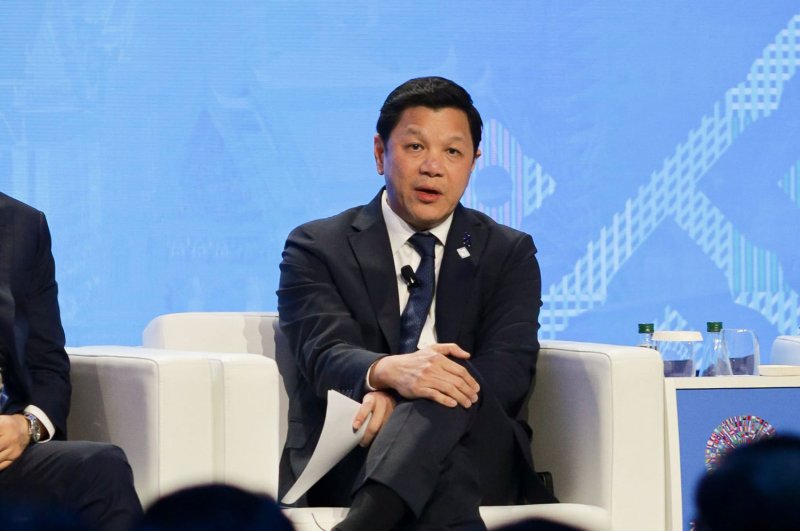
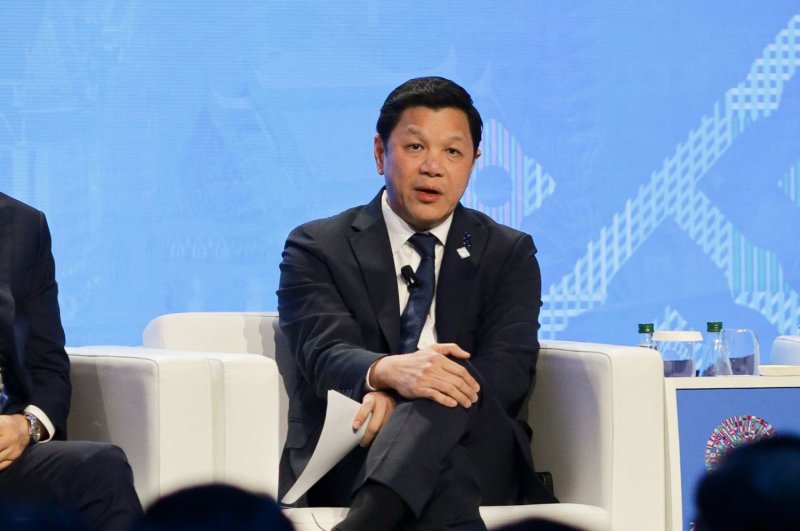
The Bank of Thailand governor is confident the Thai economy will grow by 2.3% this year, supported by strong export growth and a surge in foreign direct investment.
Following the IMF’s revision of its GDP growth forecast for Thailand in 2026 from 1.9% to 2.1%, with growth also projected at 2.1% in 2027, Governor Vitai Ratanakorn said on Tuesday that the central bank expected the economy to expand in line with most analysts’ forecasts of 2% to 2.3%.
The key drivers for the 2.3% target, he said, were exports projected to expand by 17–18% and private investment, with foreign direct investment expected to increase by as much as 13%.
These figures represented particularly strong growth compared with previous years, he said.
Mr Vitai added that the growing momentum in artificial intelligence was one of the factors helping to sustain economic growth.
Thai inflation was expected to stand at around 2.2%, reflecting the economy’s relative stability and resilience, he said.
Despite challenges including recent flooding, he added that the economy continued to maintain positive momentum.
However, the governor stressed that the country’s structural problems remain a major concern. These challenges have dragged Thailand’s GDP growth rate down from the 3–5% range in the past to just above 2% today, while the economy’s potential growth rate has fallen to around 2.7%.
The main causes include persistently low investment over several decades; declining productivity and competitiveness as traditional industries lose their competitive edge; a shrinking workforce as the country enters an ageing society; weaknesses in the education system; and household debt, which stands at 86–87% of GDP, placing Thailand among the countries with the highest household debt levels in the world. Public debt also remains a concern.
“Thailand’s structural economic problems cannot be solved by any single programme. They require coordinated efforts across all relevant agencies to accelerate reforms. The Bank of Thailand is therefore broadening its role beyond monetary policy to include working with other agencies to address structural challenges, support economic stability, improve people’s living standards, and strengthen small and medium-sized enterprises (SMEs),” he said.
Source – Bangkok News