Indonesian wildfire emissions surge to world’s highest
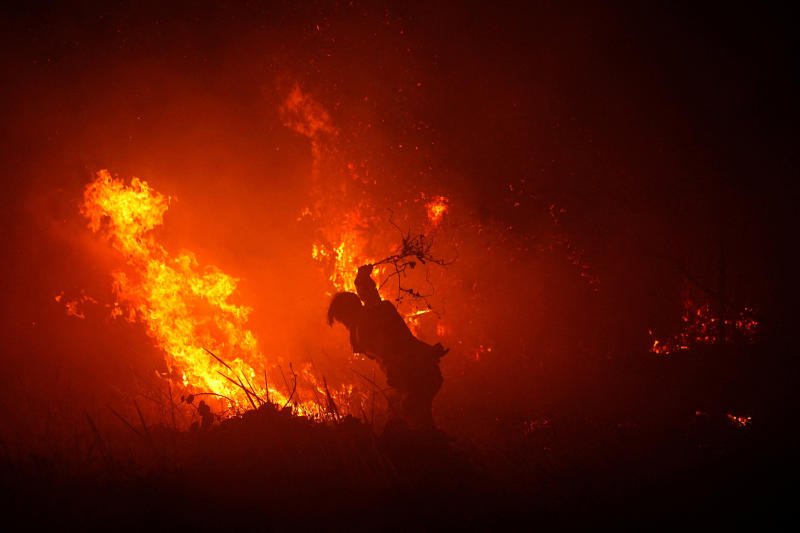
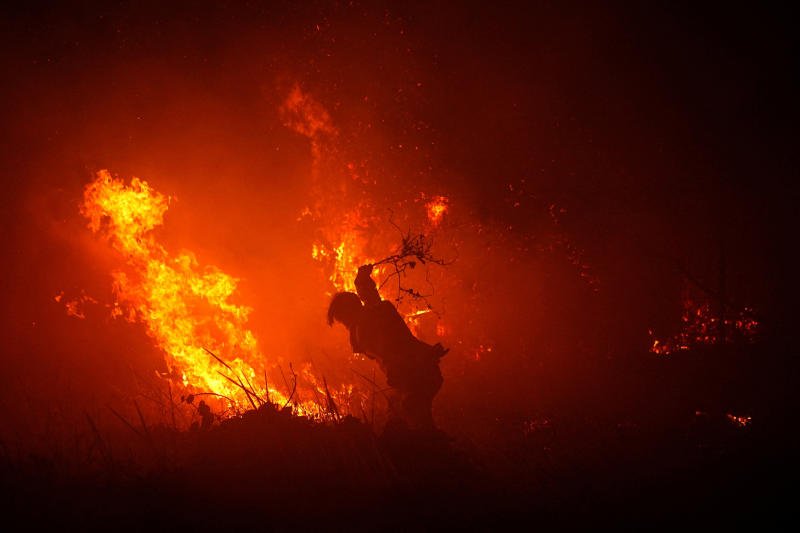
SINGAPORE/JAKARTA — Indonesia is facing a surge in emissions from wildfires burning through parched stretches of forest and peatland on the islands of Borneo and Sumatra, with carbon dioxide readings currently the highest in the world, data showed on Wednesday.
Fire emissions from Indonesia from Sept 1 to 7 reached 19.7 million metric tonnes, overtaking Russia this week and making up more than a third of the global total, according to Fire Emissions Watch, a portal developed by the European Union’s (EU) Copernicus climate monitoring service.
Indonesia is one of the world’s most fire-prone countries, but as “super-El Niño” weather conditions drive up temperatures and cause punishing droughts, the country is battling what authorities say is its most intense wildfire season in 11 years.
“We do expect to see some fires across the region at this time of year, but with El Niño, it clearly just gives a big enhancement to them,” said Mark Parrington, senior scientist at the Copernicus Atmosphere Monitoring Service in Bonn.
“It’s much drier, it’s hotter, and when there’s ignition, these fires burn in a far more extreme way.”
From Sept 1 to 7, fire emission intensity exceeded 1,500 kilogrammes per square kilometres, more than 10 times the Russian level, with the highest concentrations in Kalimantan in Indonesia’s part of Borneo and eastern parts of Sumatra, Copernicus data showed on Wednesday.
Emissions were 273% higher than the seasonal average, though still lower than the 21.7 million tonnes emitted in the same week of 2015, when Indonesia was battling similarly intense El Niño conditions.
Among the hardest hit areas has been the city of Pontianak in West Kalimantan, where the air quality index was 394 on Wednesday, according to Swiss air quality monitoring firm IQAir. A reading of 300 is considered hazardous.
Indonesia’s environment ministry told Reuters in a statement that it viewed the hazardous air quality readings in Kalimantan and elsewhere “with concern”.
It said it was monitoring Copernicus’s data but added it “does not directly reflect air quality conditions in a specific area”, and other factors needed to be considered.
‘Below the detection limit’
From January to July this year, fires burned around 202,000 hectares (780 square miles) of Indonesian land, about a third the amount over the same period in 2015, said Nisa Novita of the environmental group YKAN, which helps communities tackle fires.
“However, August data are estimated to show a significant increase of around 600,000 hectares, particularly in Kalimantan, Sumatra and South Papua,” she said.
Indonesia lost a total of 2.6 million hectares to fire in the whole of 2015, an area bigger than Wales.
The number of recorded hotspots from Aug 1 to Sept 8 reached 13,443, compared to 9,454 over the same period of 2015, according to Indonesian forest ministry monitoring platform Sipongi, based on data from the National Aeronautics and Space Administration’s (Nasa) Terra and Aqua satellites.
A record monthly high for hotspots was recorded in October 2015, Sipongi data showed.
Fire Emissions Watch uses satellite observations to estimate concentrations of particulate matter, volatile organic compounds, greenhouse gases and other fire-fuelled pollutants, but Parrington said it could be underestimating the extent of the problem.
“One of the aspects with peat fires is if they’re burning at low temperatures or underground, they’d be below the detection limit of the sensors, which means we’re not actually seeing them,” he said.
Studies have shown that fires in Indonesia in 2015 produced more emissions per day than the whole of the EU, and caused more than 100,000 excess deaths throughout Indonesia, Malaysia and Singapore.
“We have to remember that this is still the beginning of the season, and we expect the fires to continue and the emissions to keep increasing, potentially through to the end of October, which is what we saw in 2015,” said Parrington.
“In two months, we’ll know how extreme this year has been, but the early indications are that it is at pace, if not slightly above those previous El Niño years.”
Source – Bangkok News