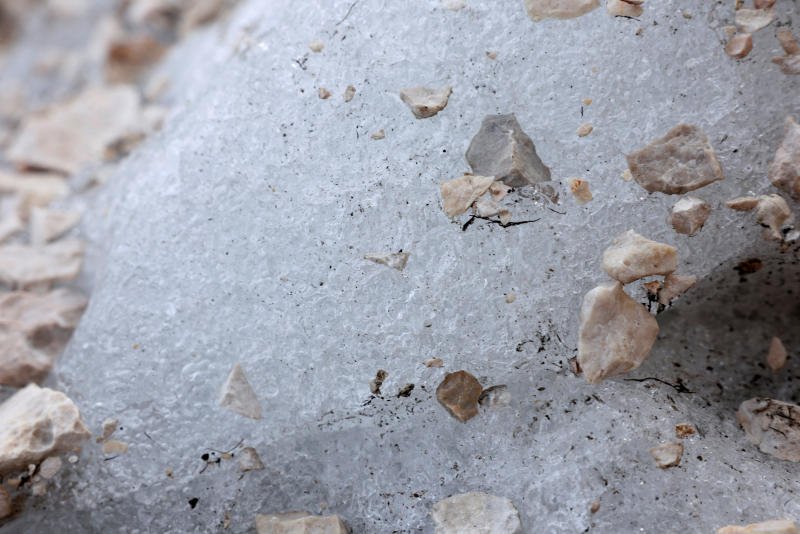
Slovenian glacier, tracked since 1946, could disappear within days
PUBLISHED : 5 Oct 2026 at 18:52
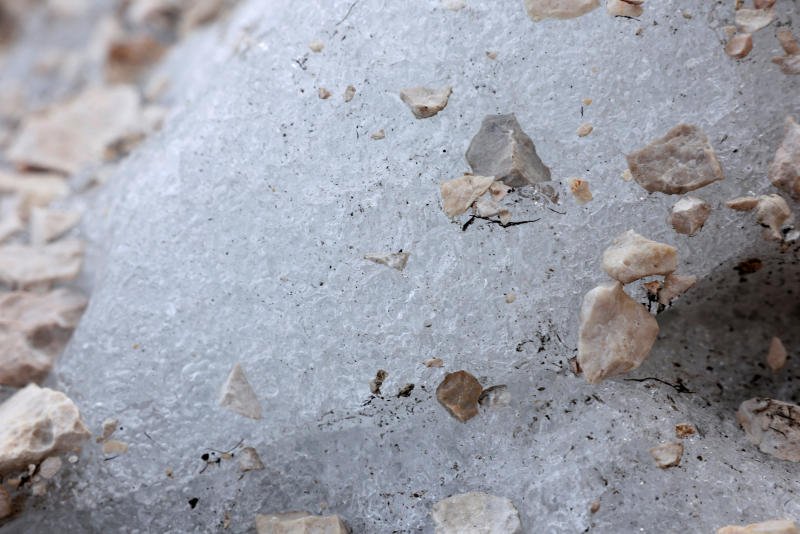
MOUNT TRIGLAV — Once a magnet for summer skiers and cherished by generations as a symbol of Slovenia’s Alpine heritage, one of the country’s last glaciers has dwindled to a few patches of ice that researchers say could disappear within days.
Scientists have tracked the Triglav glacier since 1946, when it covered about 14 hectares. In recent years, it has effectively ceased to function as a glacier, meaning no new ice flowed into it.
“Everything indicates that the very last remnants of ice will literally disappear within these coming days,” said Miha Pavšek of the Anton Melik Geographical Institute at the Research Centre of the Slovenian Academy of Sciences and Arts.
“I’ve been monitoring it myself for 30 years,” Pavšek said. “It seems that this major task, at least regarding the one under Triglav, is coming to an end this year.”
As climate change has accelerated, during the last winter the glacier received below-average snowfall that melted unusually early, leaving the remaining ice exposed to summer heat for longer.
“Even a sheltered, shaded location could no longer save the remnants of these true glaciers,” Pavšek said.
Across Europe, which has experienced faster warming than any other continent, glaciers are shrinking.
Pavšek said the loss of glaciers in neighbouring Austria could eventually reduce water flows in the Drava and Mura river basins that are important sources of irrigation in Slovenia.
“This will impact areas they irrigate, such as the Drava and Ptuj fields and parts of the Mura region,” he said.
Source – Bangkok News