The night is not so young anymore
Thailand has long been recognised as one of Asia’s nightlife capitals, and nowhere embodies that spirit quite like Bangkok.
And, of course, you can always expect the unexpected when in Bangkok. Whether bed-spaced clubs or a literal drink bar made out of ice, the city’s past is full of surprises.
Some disappeared as trends changed, others fell victim to economic pressures or tragedy. Yet each left a lasting mark on Bangkok’s cultural landscape and helped shape the city’s reputation as one of the world’s most inventive destinations after dark.
Let’s take a trip down memory lane. Here’s a look back at Bangkok’s most revolutionary clubs from the past.
Bed Supperclub
Oh, to be a twenty-something in the early 2000s, slipping into Sukhumvit Soi 11 on a Friday night to sink into a giant white bed while an international DJ played into the early hours.
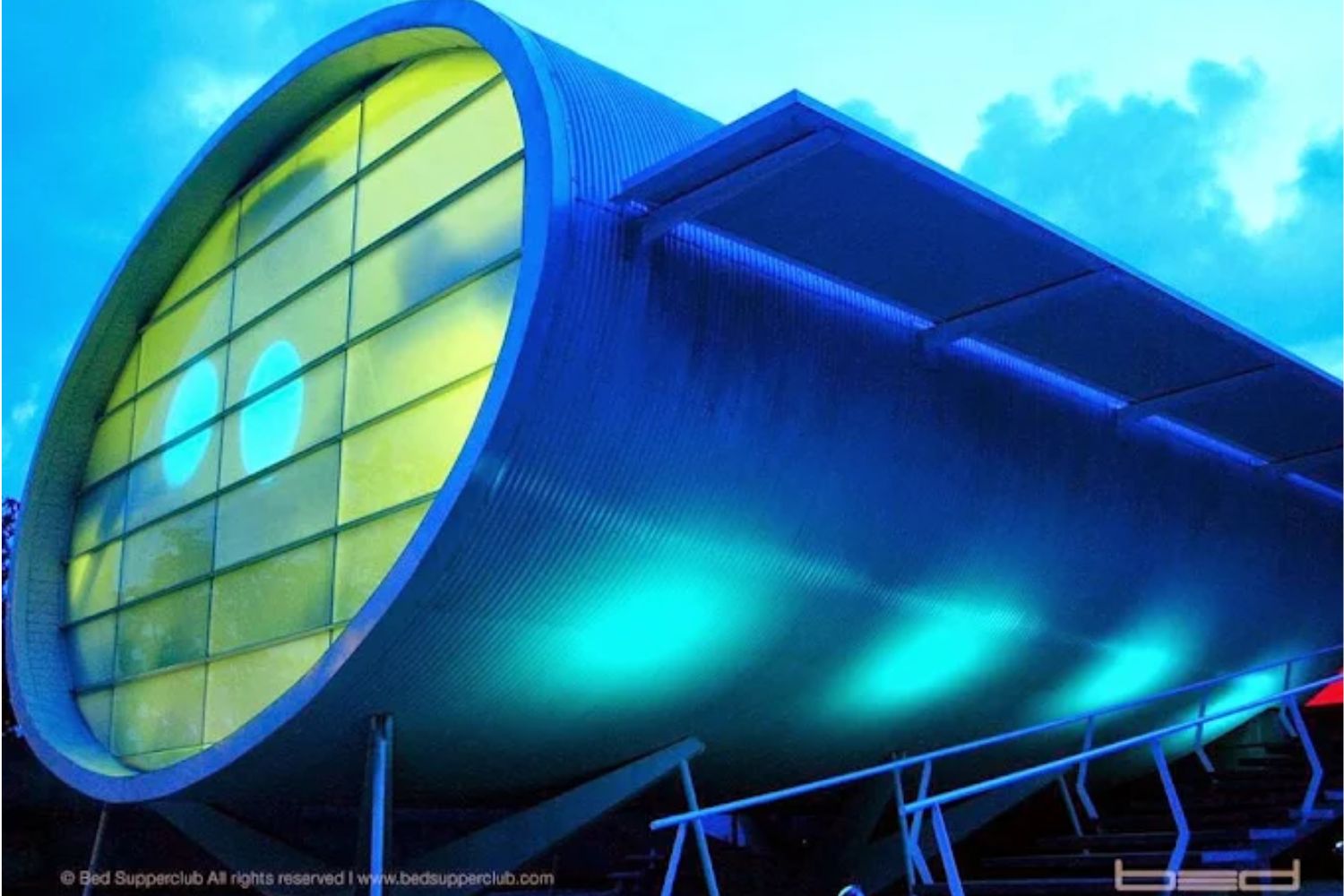
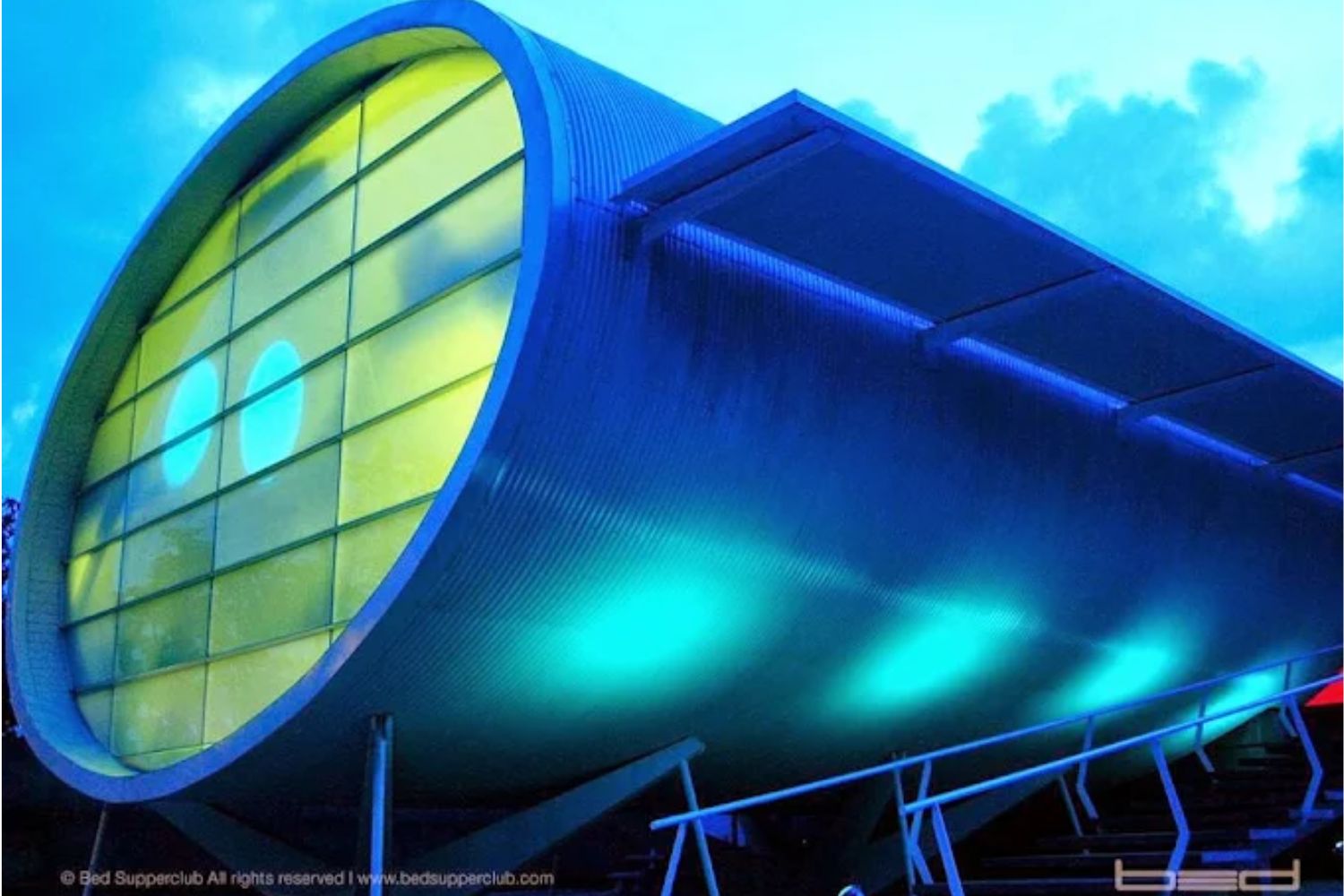
Exterior of the Bed Supperclub. (Photo: Bed Supperclub)
An offshoot of Amsterdam’s legendary Supperclub, Bed Supperclub opened in 2002 inside one of Bangkok’s most recognisable contemporary buildings. Designed by celebrated Thai architect Duangrit Bunnag, responsible for the design of places like Emquartier and Naka Phuket, the futuristic white structure resembled a spaceship that had landed in the middle of Sukhumvit.
Instead of traditional tables, guests reserved oversized white “beds”, turning the dance floor into a communal lounge where dining, drinking and dancing happened side by side. It’s a place straight out of the Fruitger Aero aesthetic.
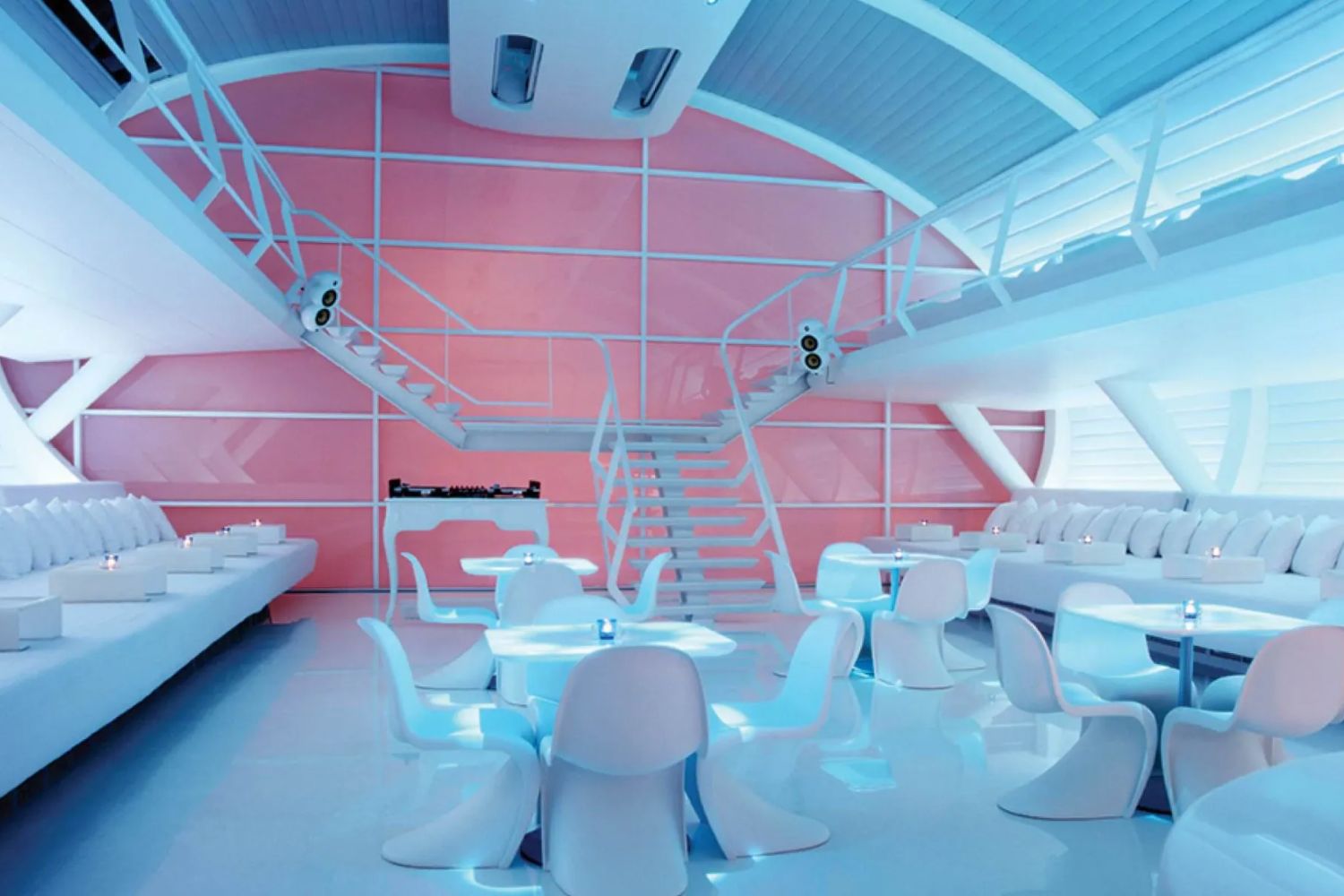
Interior of the Bed Supperclub. (Photo: Bed Supperclub)
Far more than a nightclub, Bed functioned as a restaurant, theatre, performance space and art gallery. Live performances, experimental theatre and international DJ sets all unfolded within the same avant-garde interior, making it one of Bangkok’s earliest truly multidisciplinary venues.
More than a decade after its closure in 2015, Bed Supperclub remains one of the city’s most iconic nightlife institutions.
Maggie Choo’s
Hidden beneath the Novotel Bangkok Fenix Silom, Maggie Choo’s transported visitors to a fictional 1930s Shanghai.
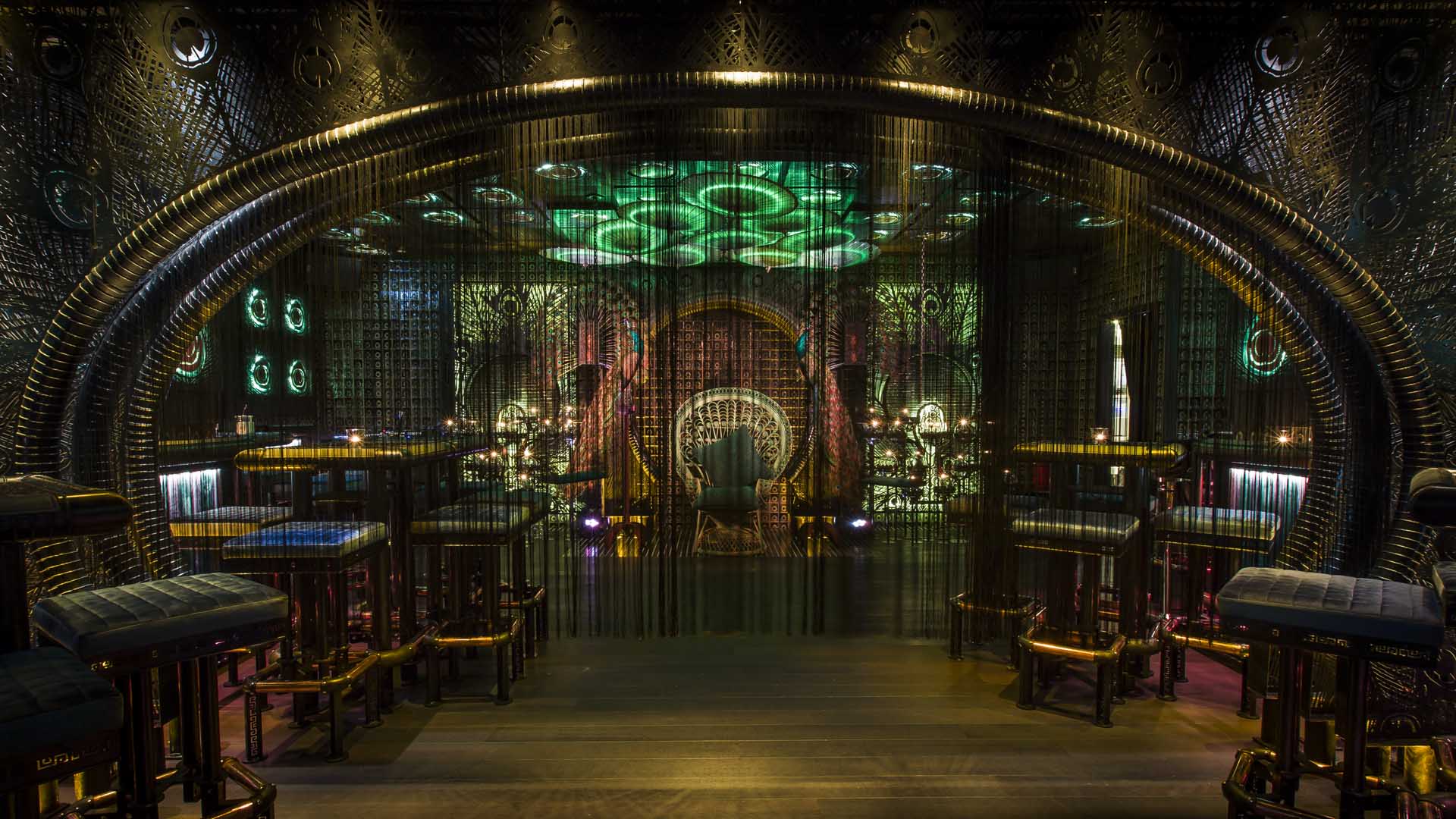
Interior design of the bar. (Photo: Ashley Sutton Design)
Designed by renowned Australian interior designer Ashley Sutton, the venue resembled a secret bank vault, complete with heavy steel doors, vintage safety deposit boxes, dark leather booths and underground tunnels. Jazz musicians performed alongside burlesque dancers and aerial acrobats, creating an atmosphere that felt more like immersive theatre than a conventional bar.
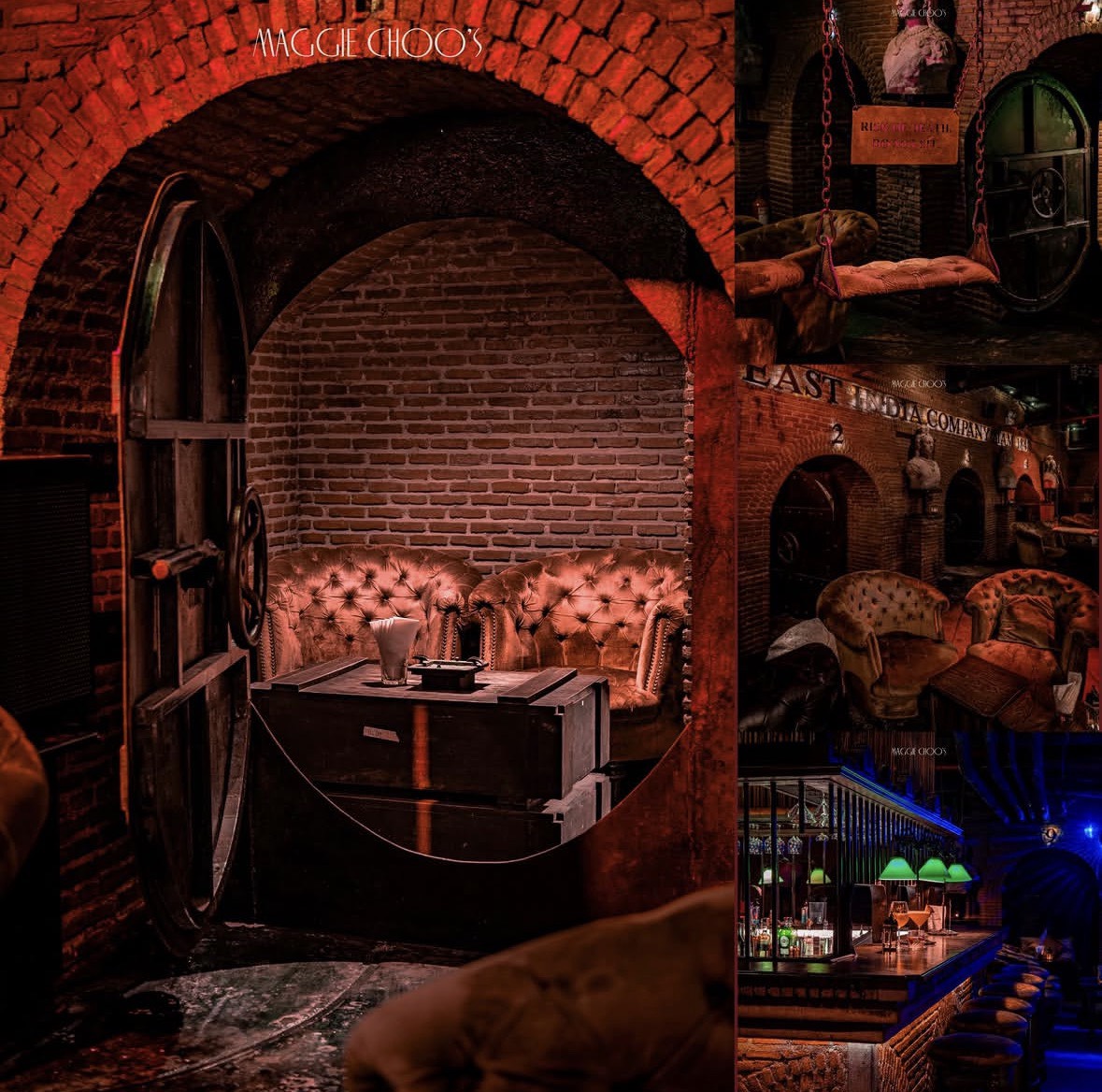
Interior of Maggie Choo’s, including the ‘safe’ seating. (Photo: Maggie Choo’s)
Every corner was meticulously staged, allowing guests to become part of the story rather than simply watch it unfold.
Although the original venue has undergone changes over the years, Maggie Choo’s helped establish Bangkok as a city where nightlife could be theatrical, cinematic and deeply immersive.
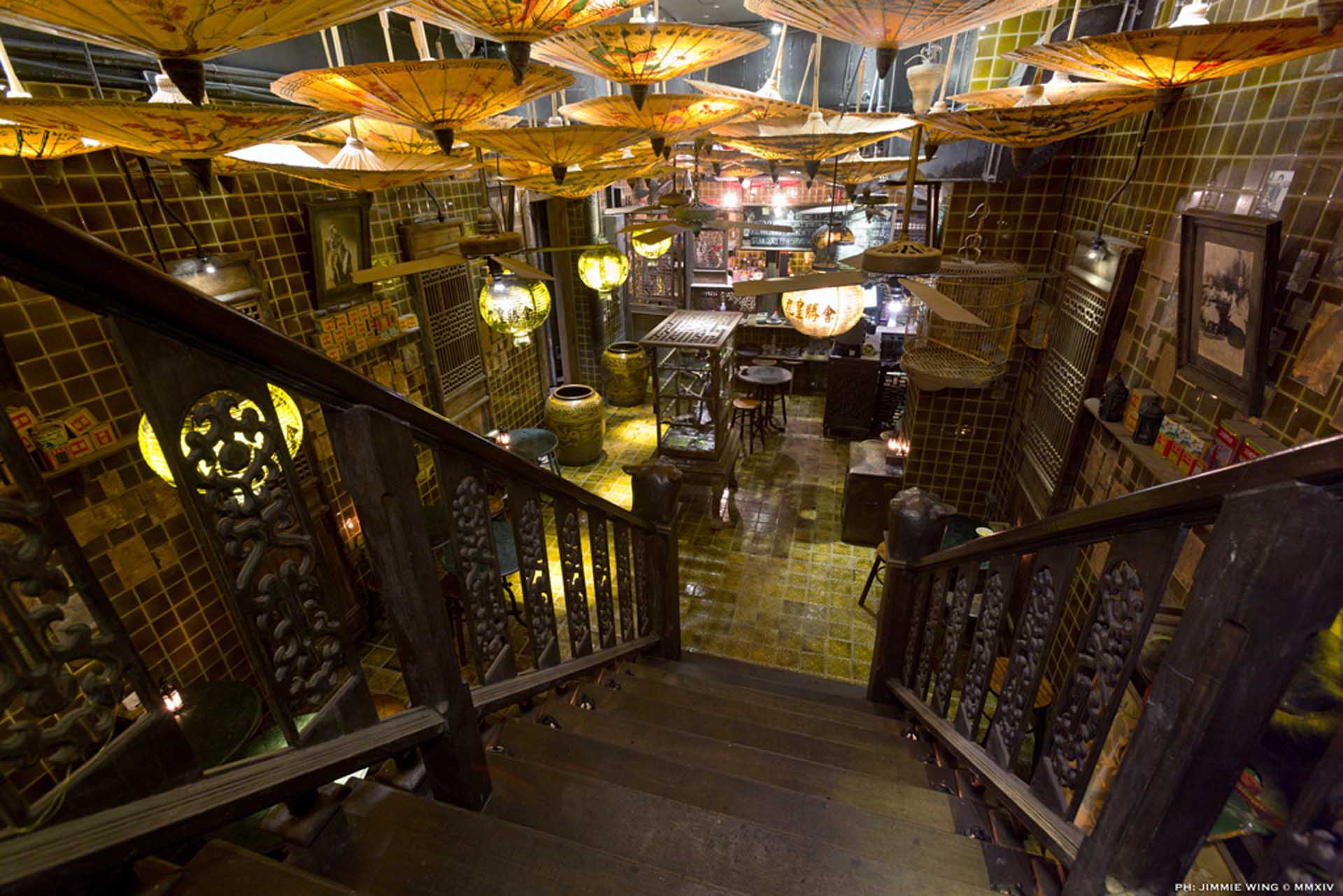
Stairway, interior design of the bar. (Photo: Ashley Sutton Design)
That said, for those who have missed Maggie Choo’s, you are still in luck. Visitors to Sing Sing Theater may recognise the same immersive design and theatrical atmosphere. That’s no coincidence – it, too, is one of Ashley Sutton’s creations.
Santika
Few venues are remembered as vividly as Santika.
Derived from the Sanskrit word for “peace” or “tranquility”, the club’s name contrasted sharply with its high-energy atmosphere. Before its closure, Santika was one of Bangkok’s largest nightlife destinations, capable of accommodating more than 1,000 guests.
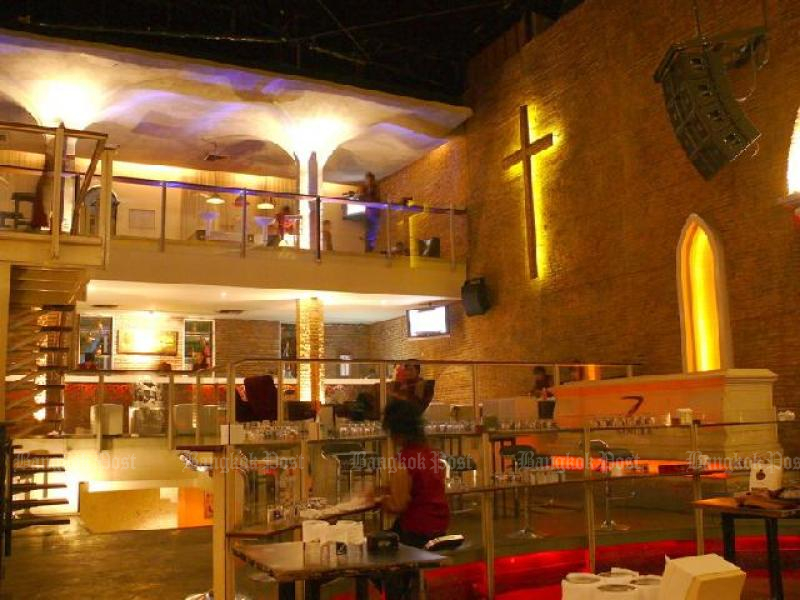
Inside of Santika Pub.
Unlike many dance clubs of its era, Santika was designed around live performances. Its cavernous warehouse-like interior featured soaring ceilings, industrial steel beams, multi-level VIP balconies and an enormous concert stage where rock bands performed nightly, complemented by elaborate lighting and pyrotechnic displays.
Everything changed in the early hours of New Year’s Day 2009, when a devastating fire claimed 66 lives and injured more than 200 people. The tragedy prompted sweeping reforms to fire safety standards, occupancy regulations and licensing requirements for entertainment venues across Thailand.
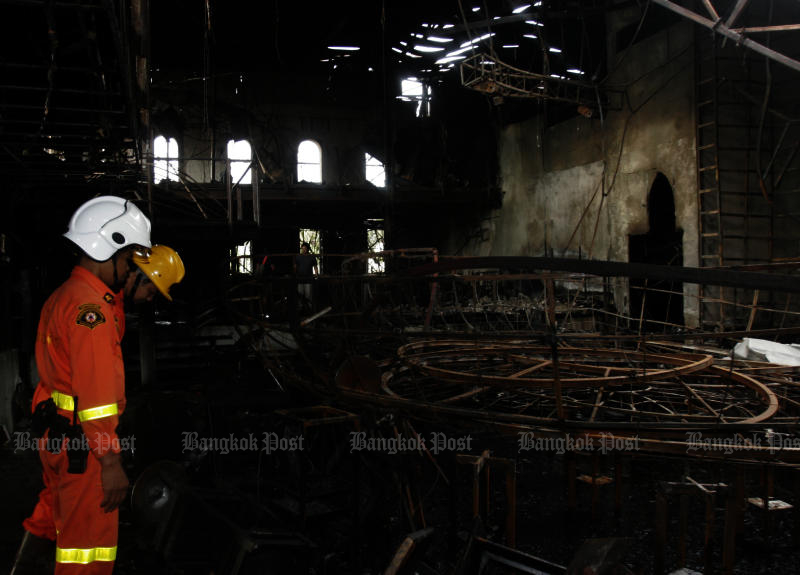
The fire at the Santika pub on Ekamai road shortly after the New Year 2009 left 59 dead and at least 243 injured. (Photo: Kosol Nakachol)
Today, the site bears little resemblance to the venue that once stood there. A 24-hour KFC now occupies the location where one of Bangkok’s most infamous clubs once welcomed thousands of revellers.
Titanium Club & Ice Bar
In a city where temperatures rarely dipped below 30°C, Titanium Club offered something few Bangkok venues could: the chance to step into sub-zero temperatures without leaving Sukhumvit.
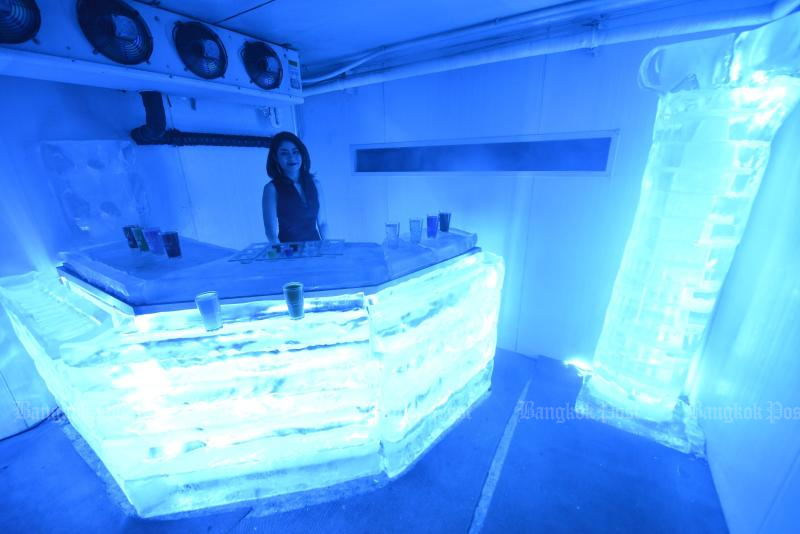
The Ice Bar at the Titanium Club. (Photo: Pang Songthamniti)
Located on Sukhumvit Soi 22, the club’s standout attraction was its Ice Bar – a sealed chamber maintained at around -10°C, where walls, furniture and even drinking glasses were carved from ice. Visitors were handed insulated jackets before entering, creating the surreal experience of moving from Bangkok’s tropical humidity into what felt like an Arctic freezer.

Drinks at the Ice Bar. (Photo: Pang Songthamniti)
Large viewing windows overlooked the club’s main stage below, where the all-female house band Unicorn performed nightly, allowing guests to enjoy live music while sipping vodka served in frozen glasses.
Mischa Cheap (Khao San Road)
Of all the venues on this list, Mischa Cheap is the newest – and perhaps the one still freshest in Bangkok’s collective memory.
Located on Khao San Road, the club rejected the area’s backpacker cliché in favour of an underground aesthetic that blended indie music, fashion, contemporary art and alternative nightlife.
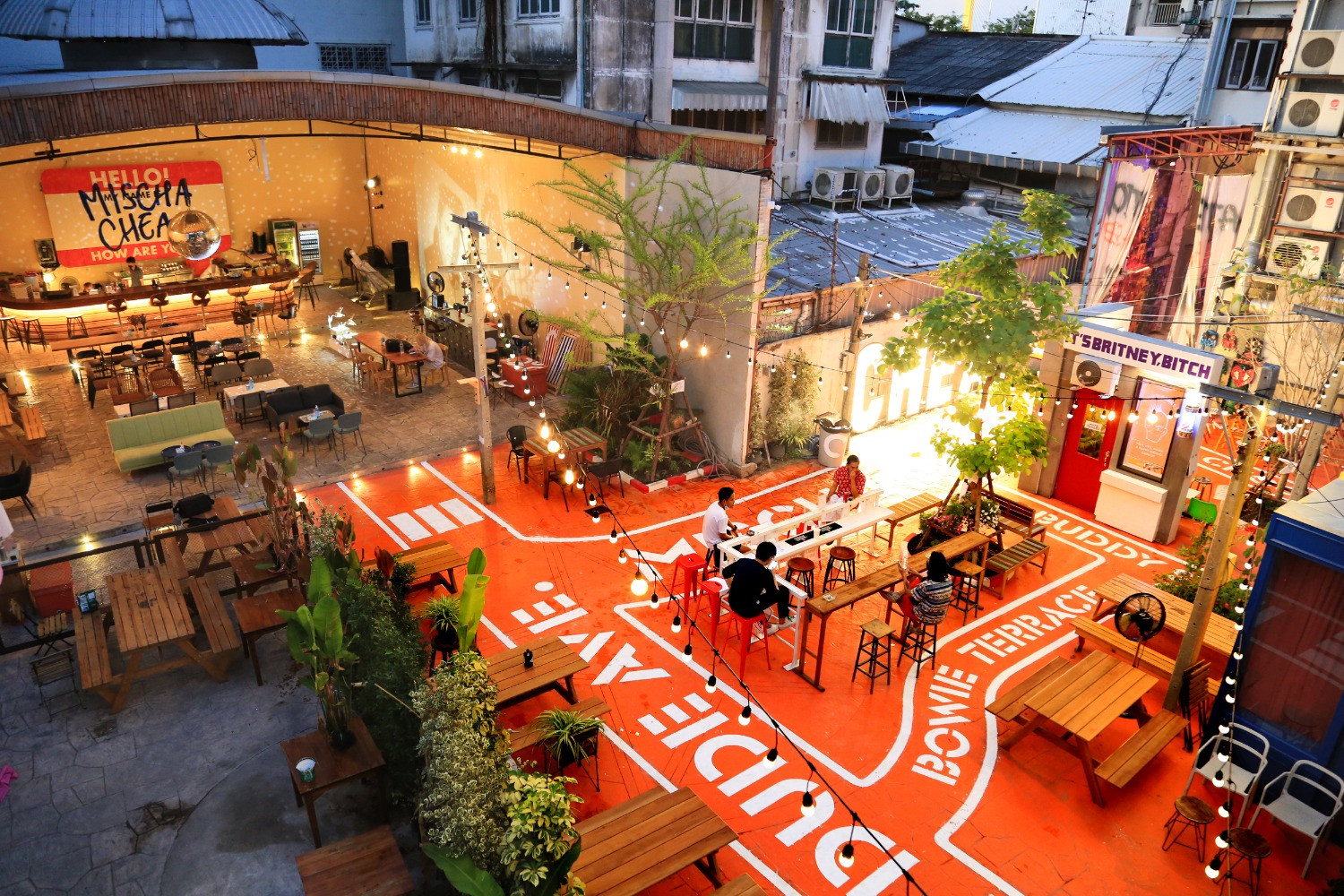
Mischa Cheap. (Photo: Mischa Cheap)
Its eclectic interiors regularly transformed through collaborations with artists and designers, while its playlists moved effortlessly between disco, indie rock, house and left-field electronic music.
Rather than chasing mainstream trends, Mischa Cheap cultivated a loyal creative community of musicians, artists, designers and young Bangkokians looking for something different.
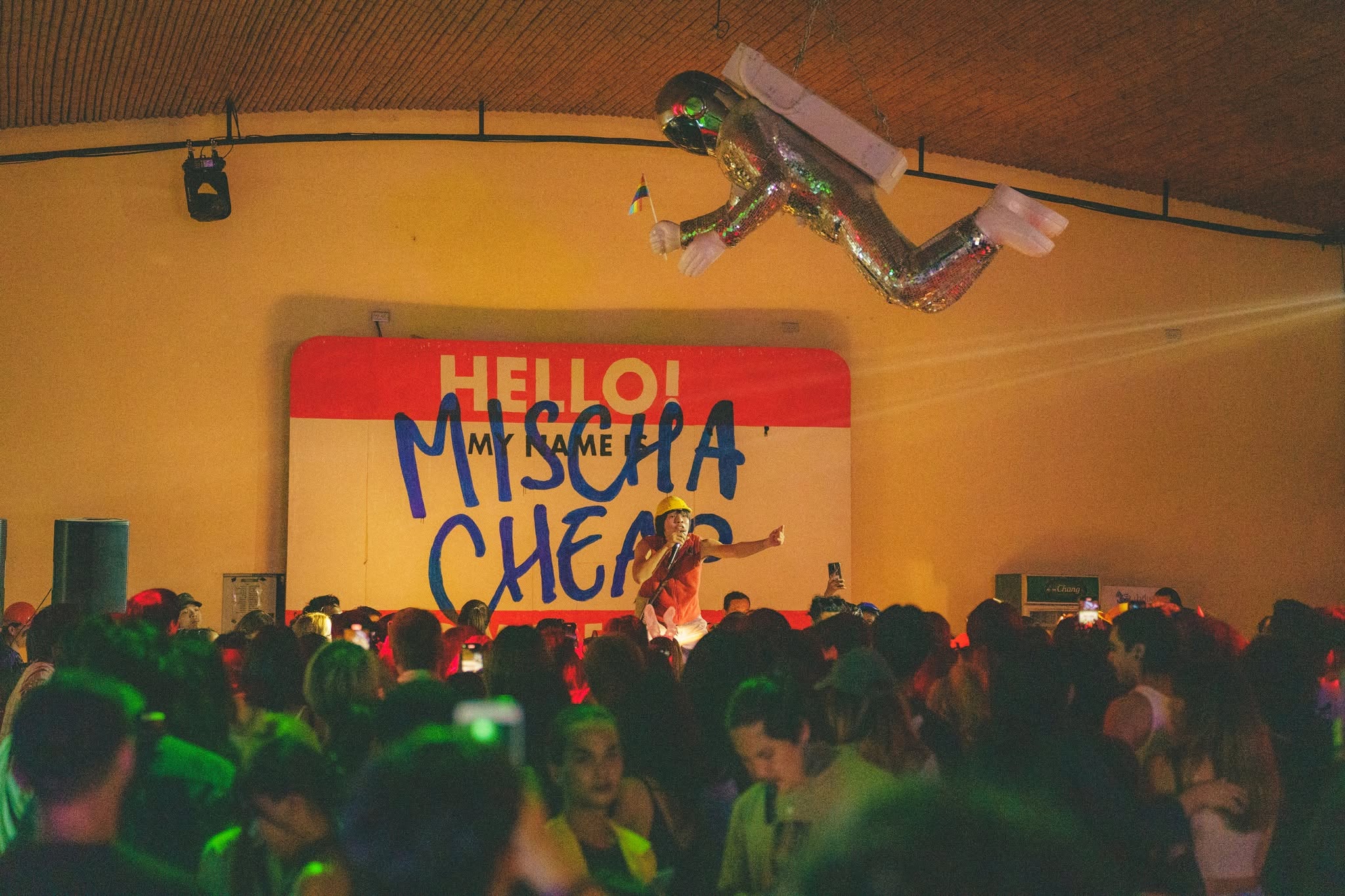
Performance by Alec Orachi at Mischa Cheap. (Photo: Mischa Cheap)
The venue was co-founded by Pongsuang “Note” Chup, the influential figure behind Dudesweet, the underground party collective that has helped shape Bangkok’s independent music and creative scene since the early 2000s.
When the Khao San branch closed in January 2024, many feared the end of one of Bangkok’s most distinctive nightlife spaces. Instead, Mischa Cheap relocated to Song Wat, joining the historic riverside neighbourhood’s growing creative revival while preserving the community that made the original venue so beloved.
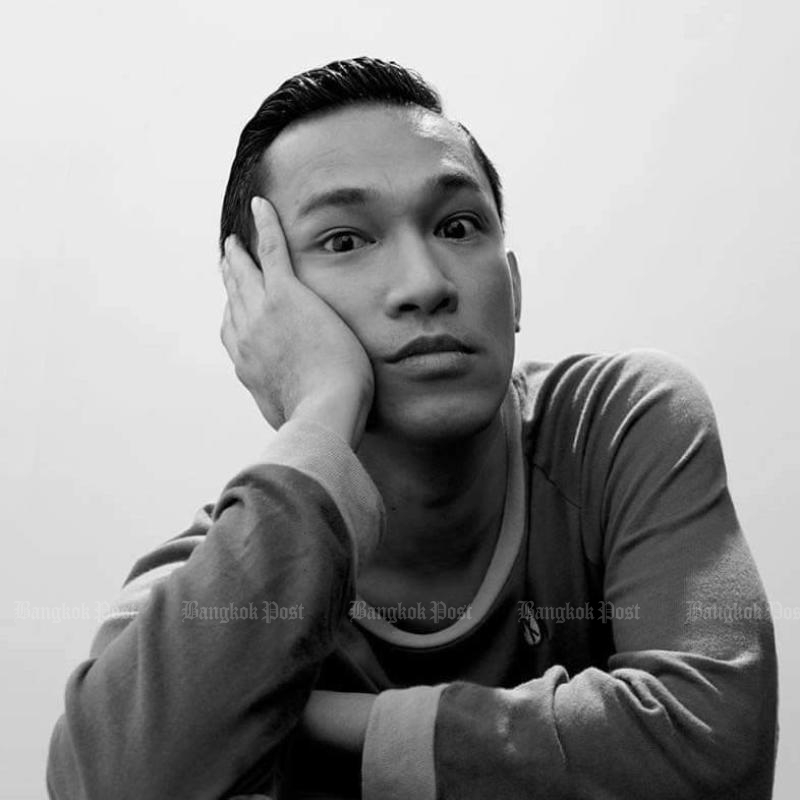
Note Dudesweet.
Source – Bangkok News