Spot checks reveal misuse of school lunch programme funds
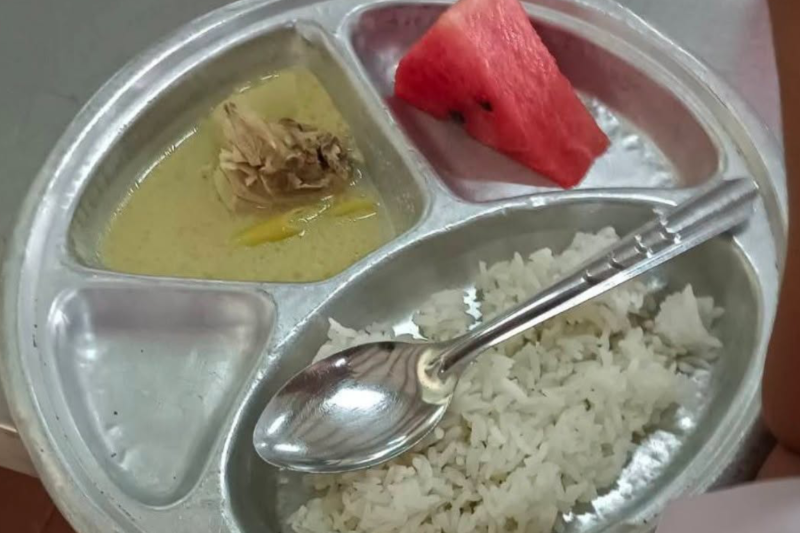
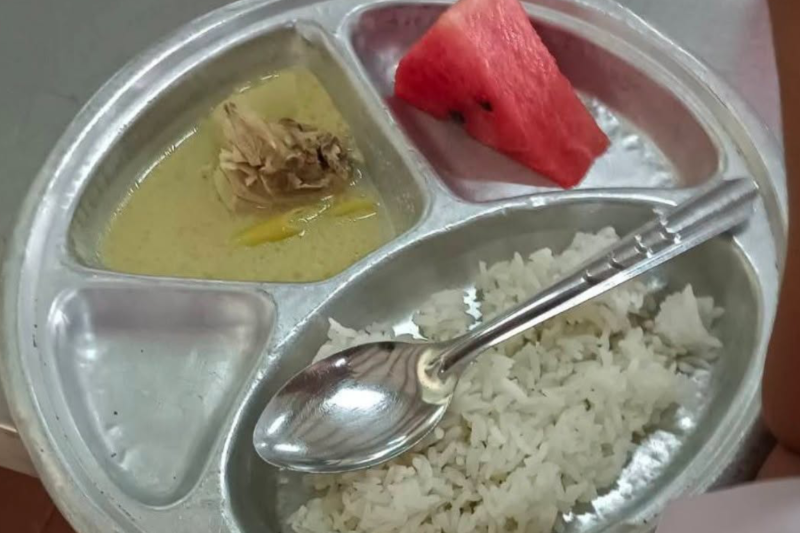
SURAT THANI – Surprise inspections by anti-corruption officials at six schools have uncovered irregularities in the schools’ student-lunch programmes, including mismanagement of funds and poor nutrition.
The provincial office of the National Anti-Corruption Commission (NACC) reported its findings on Tuesday after officials inspected the six schools without prior notice. It did not name the schools.
“Several procdures were found to be lax and possibly in violation of the state’s regulations on disbursement of funds,” the provincial NACC said.
Records of fund disbursement were incomplete, with some missing without a trace. School staff were unable to explain the sources and uses of the funds.
Lunch-programme funds were found to have been used for the wrong purpose, the NACC said.
Money continued to be withdrawn for another month after a school closed at the end of the semester. It was claimed the money was used to purchase “a refrigerator”. This was a breach of the regulations governing the use of subsidy funds, the agency said.
In addition, any left-over budget funds were not returned to the Treasury as required and instead left to accumulate over several years, causing discrepancies between the account balances and supporting documents, the report said.
Beyond the failed fund management, the spot inspections also revealed school management tactics in covering up the abuses.
“Schools that received advance notice prepared good-quality meals, while schools inspected without advance notice were found serving food in short quantities and of poor quality, below nutritional standards,” the NACC said.
Inspecting officials also reported insufficient drinking-water facilities, meaning many students had to go without water or spend their own money buying it at school welfare shops. This placed an added financial burden on parents, it said.
The most concerning issue, the one that triggered the inspections, was a complaint about “the dark power within schools”, the NACC said. It was claimed that people in positions of command had ordered subordinates and teachers to manage funds disbursement records.
When irregularities were later exposed, those teachers would be held solely responsible for any misconduct.
The NACC encouraged teachers to submit evidence of improper directives such as audio recordings, online chat messages or written orders. They would be entitled to witness protection.
The graft agency also recommended that the Ministry of Education and associated agencies improve transparency by strictly following the guidelines of the school lunch programme, allow greater community participation in oversight, and increase the frequency of surprise school inspections.
In 2018, a major school lunch scandal was exposed in Surat Thani after a pupil’s parent filed a complaint about student meals consisting of nothing but noodles and fish sauce.
Somchao Sitthichen, the director of Ban Tha Mai School in Tha Chana district, faced multiple corruption charges and was in 2025 sentenced to 25 years in Nakhon Si Thammarat Central Prison.
Source – Bangkok News